How Spilled Seed Draws Rodents
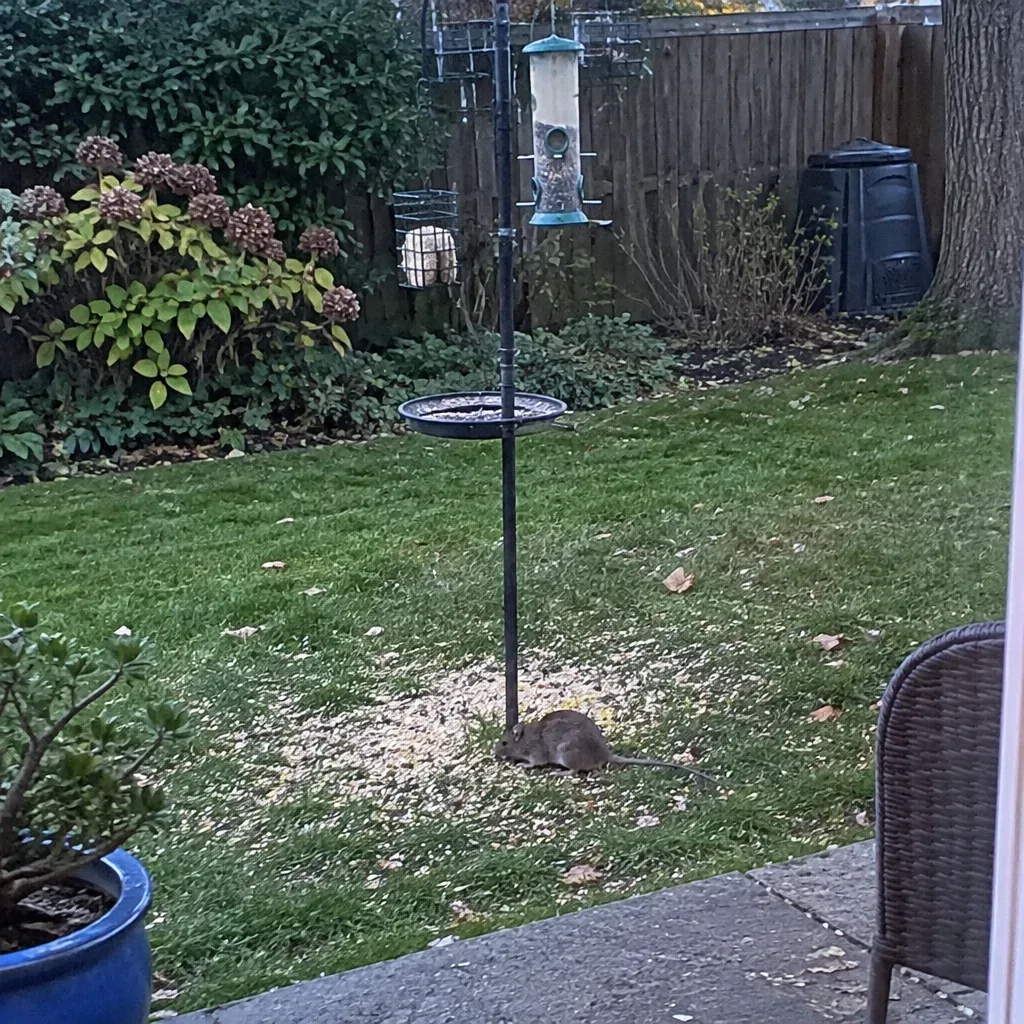
Birdseed left below a feeder can draw rats or mice looking for food. The cost of addressing activity depends on what an inspection finds and which steps fit the property. In Waterbury, a homeowner can start with the feeder itself. Seed that falls from a tray or scatters during refilling gives rodents an easy meal. Bird feeder rats may return to a reliable food source. Birdseed mice can follow spilled kernels toward shelter. Seed alone does not confirm rodents are inside the home.
The amount of seed on the ground can change how inviting a feeder becomes. A few scattered kernels differ from a steady pile beneath a busy feeder. Waterbury homeowners can check the ground after feeding and notice where seed collects. A tray that catches falling seed may reduce spills. Birds can still scatter food while they eat. Cleanup matters because seed left in place stays available after people go indoors. This is a practical first check, not proof that rats or mice are present.
Feeder Placement and Upkeep
Feeder placement affects where spilled seed lands and how easy it is to notice. A feeder over bare ground makes scattered kernels easier to see during a routine check. In Waterbury, the owner can look beneath the feeder and around its base. Seed caught in grass or leaf litter may be less visible. A small commercial property can assign a regular check to whoever refills the feeder. The aim is simple: spot fallen seed before it remains available to rodents.
Upkeep can limit the seed that gathers around a feeder. Emptying old seed and wiping the feeding area helps reveal fresh spills. Waterbury homeowners can also check whether a feeder is spilling during refills. A cracked tray or loose fitting may let seed fall in the same spot repeatedly. Repairing or replacing that part can reduce the source. At a small business, a written cleanup routine helps staff keep the area consistent. Neither step can establish whether rodents have entered a building.
Keep Birdseed Secure Between Refills
Stored birdseed can spill from a torn or open bag before it reaches the feeder. Keep seed in a secure container with its lid closed between refills. In Waterbury, a homeowner can check the storage spot for scattered kernels. Put the container where it stays closed and dry. A small commercial property can keep a dedicated container near the feeder, with the lid replaced after each use. Secure storage limits access to the seed; it does not tell the owner whether rodents are already active.
Cleanup should remove visible seed from beneath the feeder and the path used to refill it. Sweep carefully so seed does not spread into nearby corners. A Waterbury resident might notice the same spill returning after each refill. That pattern can point to a feeder or handling issue worth correcting. Seed lodged around the feeder base can be missed during a quick sweep. Seed cleanup reduces one food source, while signs nearby may call for a closer look at rodent activity.
When Other Signs Need Attention
Seed is one clue, but other signs help show whether rodents may be active. A gap in an exterior wall may offer rodents another route indoors. A homeowner in Waterbury can note where signs appear and when they were noticed. The pros we connect you with can assess those observations during an inspection. A single sign does not establish the extent of activity. Checking the feeder area alongside indoor signs gives the inspection a clearer starting point.
The next step depends on what the inspection finds. An inspection can also help rule out signs that came from another source. Waterbury residents can ask how any devices will be placed and monitored. If rodents are found, prevention may also address remaining access or food sources. The owner should keep the feeder area clear while watching for fresh signs. Around Naugatuck Green or Cheshire Park, the same basic question applies: is seed spilling, and are there signs beyond the feeder?
Dealing with rodent activity in your home?
A note of earlier activity can give an inspection useful context. An inspection can help locate travel routes and possible openings. Small gaps around pipes or doors may deserve a closer look. Ask how inspection findings and possible next steps will be explained. The pros we connect you with can explain service coverage, available visit timing, and any visit charge. Ask what an inspection involves and what may affect the charge.