What Yard Conditions Offer Shelter
Service cost can depend on how much yard space needs review, how many conditions support rodents, and whether activity reaches a building. In Waterbury, a homeowner can start by walking the yard and noting accessible food, dense cover, stored materials, and sheltered routes. These conditions can offer food or hiding places. They do not prove rats or mice are present. A small commercial property may have different outdoor storage and waste areas than a house. Those differences shape what an inspection needs to assess.
Look across the whole yard before deciding which conditions matter most. Note where shrubs, tall growth, or ground cover meet sheds, fences, or building walls. A homeowner in Waterbury may see activity become harder to notice when plants create continuous cover. At a small business, landscaping beside a loading or storage area can create a similar blind edge. The useful question is where shelter connects to food or a structure. A single patch of greenery, by itself, says little about rodent activity.
How Vegetation and Storage Provide Cover
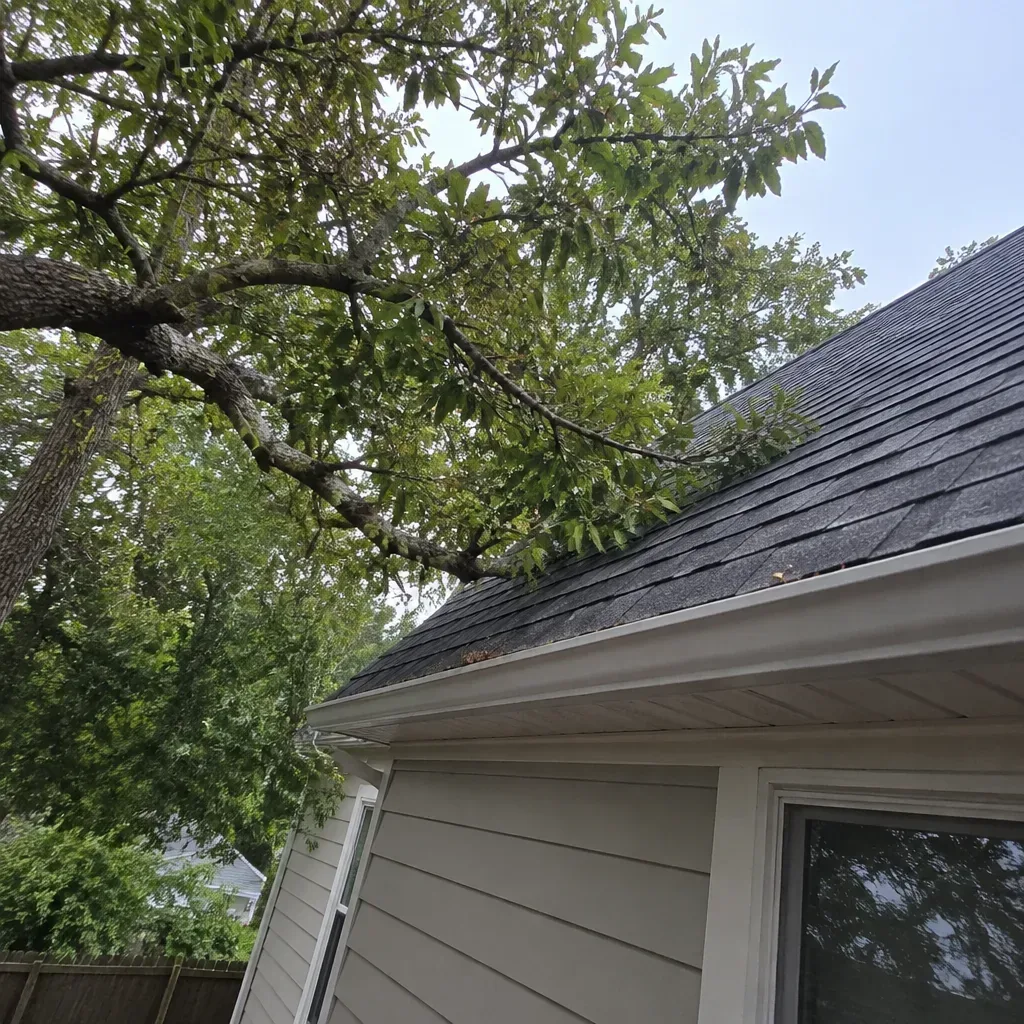
Dense vegetation can provide concealment, while low branches and ground cover can hide movement near a building. In Waterbury, an owner should note whether thick growth runs along a foundation or surrounds outdoor storage. The pattern matters more than the presence of plants alone. At a small commercial site, shrubs bordering a service area may screen activity from view. Walking the yard helps show where cover begins and ends. Avoid disturbing areas that appear contaminated; an inspection can help assess what the signs mean.
Woodpiles, stacked boards, and stored materials can create sheltered spaces between objects and the ground. A Waterbury homeowner can record where piles sit and whether weeds or other cover surround them. At a small commercial property, pallets or unused materials may serve a similar role. The observation is about shelter and access, not proof that rodents are nesting there. Note whether these areas sit close to a building or outdoor food waste. That context helps explain why one storage area deserves attention before another.
Outdoor Food Sources to Notice
Accessible food can make a yard more inviting to rodents. Check outdoor waste containers, compost areas, and places where food scraps may collect. In Waterbury, a homeowner can note whether containers overflow or lids remain open. A small commercial property may have outdoor waste awaiting collection. The amount and location of exposed material matter because food can draw activity toward sheltered spots. This page does not cover indoor food storage or bird feeders. Record what is visible outdoors and when the area is typically used.
Seed, pet food, and discarded food can remain available around outdoor work or gathering areas. A Waterbury owner can note any recurring source without assuming it has caused an infestation. At a small business, outdoor break areas or waste staging can leave food residue. Nearby names such as Naugatuck Green or Hop Brook Park do not establish conditions at a particular property; each yard needs its own look. The practical check is whether food sources sit beside cover or routes toward a structure. Keep the observation specific to the property.
Routes Between Yards and Buildings
Sheltered routes matter when they connect yard conditions with a building. In Waterbury, note narrow spaces along fences, retaining edges, stored items, or dense planting that lead toward a foundation. A property nearer the Naugatuck River still needs an individual inspection; the landmark alone cannot show rodent activity. At a small commercial site, service corridors or the backs of storage areas may create less visible travel lines. Look for a connected path rather than treating each feature as a separate cause.
A yard walk gives the owner a short list of conditions to discuss with a provider. In Waterbury, record accessible food, sheltered clutter, dense cover, and routes near structures, then address only changes that feel safe. A small commercial property can track the same details around outdoor storage and waste areas. What remains after those observations, and which conditions connect most closely to the building? If activity signs appear, an inspection can help assess them and guide next steps. Yard conditions vary from one property to another.
Dealing with rodent activity in your home?
A note of earlier activity can give an inspection useful context. An inspection can help locate travel routes and possible openings. Small gaps around pipes or doors may deserve a closer look. Ask how inspection findings and possible next steps will be explained. The pros we connect you with can explain service coverage, available visit timing, and any visit charge. Ask what an inspection involves and what may affect the charge.