Accessible Food Can Draw Rodents Indoors
Food left within reach can draw rodents indoors. In Waterbury, an open pantry package, crumbs under a table, or food residue on a counter can provide an easy meal. Dry goods and snacks are harder to reach when kept in sturdy, closed containers. A homeowner can check low shelves, cabinet corners, and spots behind appliances for spilled food. These checks help identify attractants before choosing how to prevent rodents. Near the Waterbury Green or elsewhere in the city, the same indoor sources are worth reviewing.
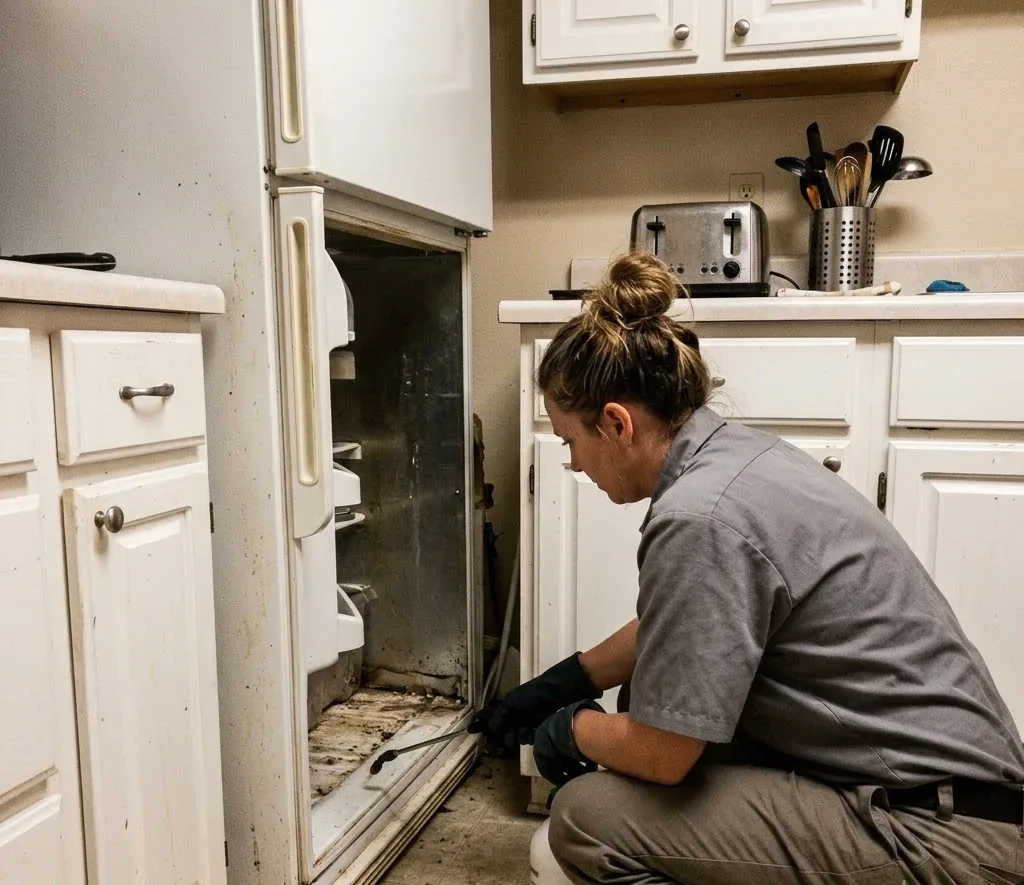
Small food traces can matter even when a kitchen looks tidy. In Waterbury homes, look for crumbs along baseboards, under cabinets, and around stored food. A mouse can follow a narrow route to a dependable source, while gnaw marks or droppings may help show where activity occurs. Store food in sealed containers and wipe accessible residue from preparation areas. This reduces food access, but it does not block entry gaps. The pros we connect you with can assess signs and access points before recommending control steps.
Leaks and Standing Water Provide Moisture
Water gives rodents another reason to remain near a building. In Waterbury, a slow leak under a sink, damp area around a pipe, or standing water in a utility space can provide a source. Check cabinet floors and plumbing connections for moisture, and repair leaks where possible. Drying wet areas removes a resource that food storage cannot address. A property near Saint Mary's Hospital has the same need for a home-specific check; location alone does not show whether rodents are present.
Moisture can collect where a homeowner rarely looks. In Waterbury, inspect around water heaters, basement fixtures, and laundry connections for drips or pooled water. A musty smell or recurring damp patch can point to a plumbing or drainage issue that needs attention. Fixing the source helps make the area less inviting, though it cannot confirm or rule out rodent activity. The pros we connect you with can consider signs and conditions together when reviewing a home.
Clutter Creates Protected Indoor Shelter
Clutter can offer protected places to hide and build a nest. In Waterbury homes, stacks of paper, cardboard, fabric, or stored belongings can create quiet spaces close to food or water. Keep storage organized and leave visible space along walls where activity can be noticed. Inspect boxes before moving them, especially in seldom-used rooms. At properties around the Mattatuck Museum, as elsewhere in the city, indoor storage conditions vary from home to home and need a direct look.
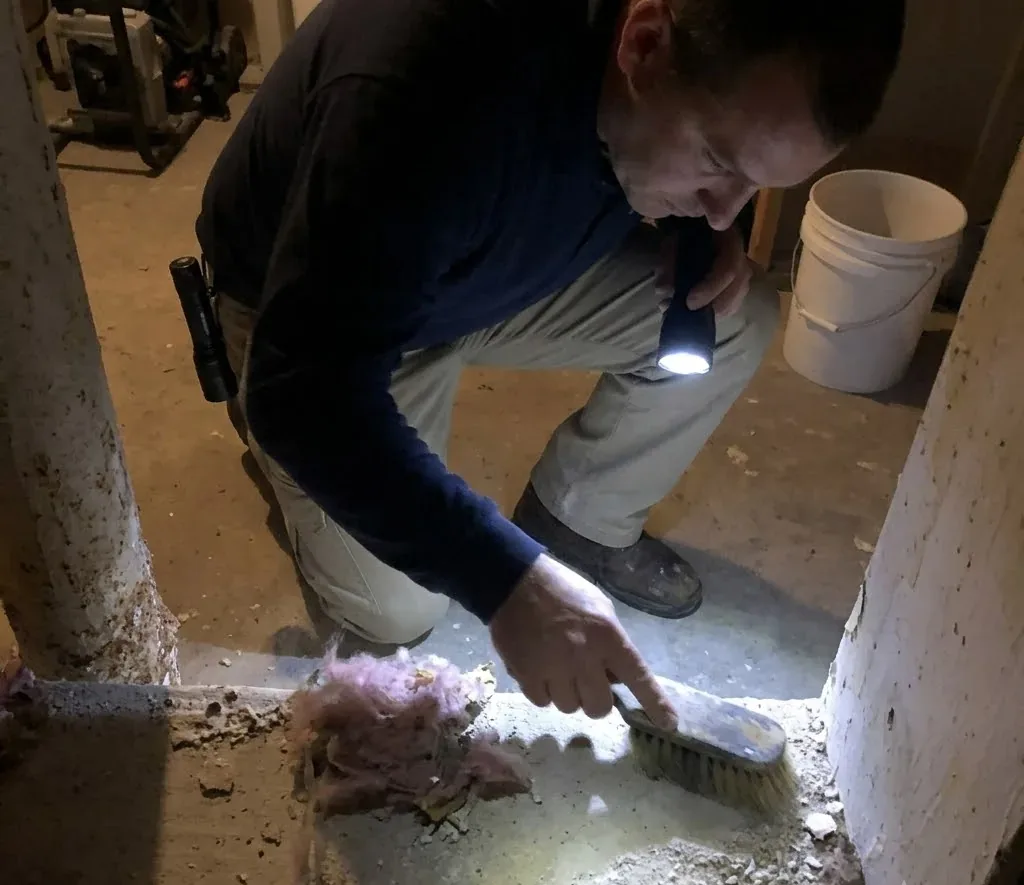
Shelter matters when rooms provide undisturbed cover. In Waterbury, crowded closets, packed basements, and gaps behind stored items can conceal nesting material or droppings. A homeowner can reduce clutter and check these areas without disturbing suspected contaminated material. Stored items can block a clear view of surfaces where signs of activity might appear. Clearing hiding places can improve visibility; it does not by itself resolve an active rodent problem.
Entry Gaps Connect Sources to Rodents
An indoor food or water source can matter more when rodents have a way inside. In Waterbury, small openings around pipes, doors, or foundations may provide access to a home. Check where utility lines enter and where doors meet their frames. Rats and mice can pass through openings that may be easy to overlook, so the opening's size and location matter. Around Interstate 84 and across the city, no address alone establishes activity; inspection findings guide the next steps.
A useful home review connects attractants with possible entry routes. In Waterbury, note accessible food, damp spots, clutter, and gaps, then address sources the owner can reach. Separate conditions the owner can address from those that need a closer professional review. Follow-up checks, when offered, can help assess whether activity continues. The pros we connect you with can explain which control steps fit the conditions found at the property.
Dealing with rodent activity in your home?
A note of earlier activity can give an inspection useful context. An inspection can help locate travel routes and possible openings. Small gaps around pipes or doors may deserve a closer look. Ask how inspection findings and possible next steps will be explained. The pros we connect you with can explain service coverage, available visit timing, and any visit charge. Ask what an inspection involves and what may affect the charge.