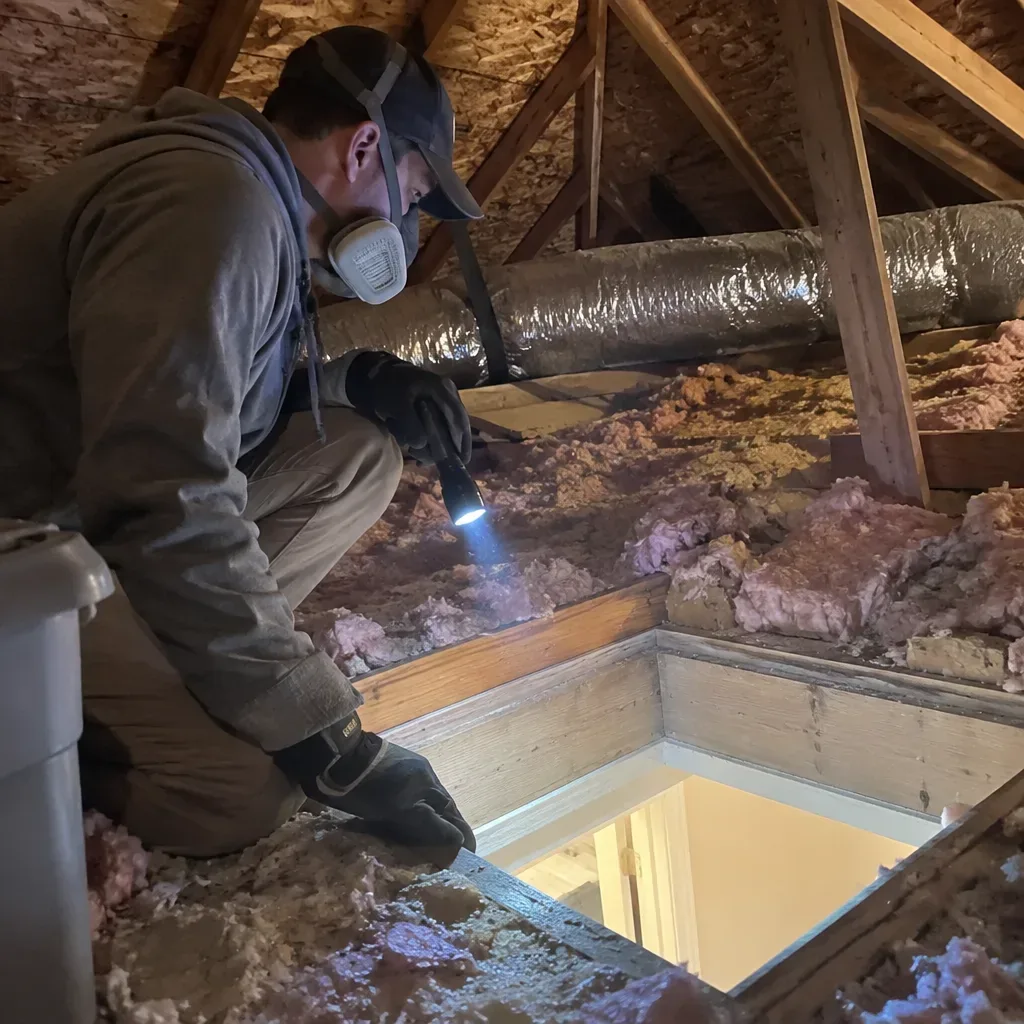
How Many Mice?
A sighting in a Waterbury home cannot count hidden mice. Whether a homeowner lives near Watertown High School or Cheshire Park, fresh signs and repeated activity matter more.
Read article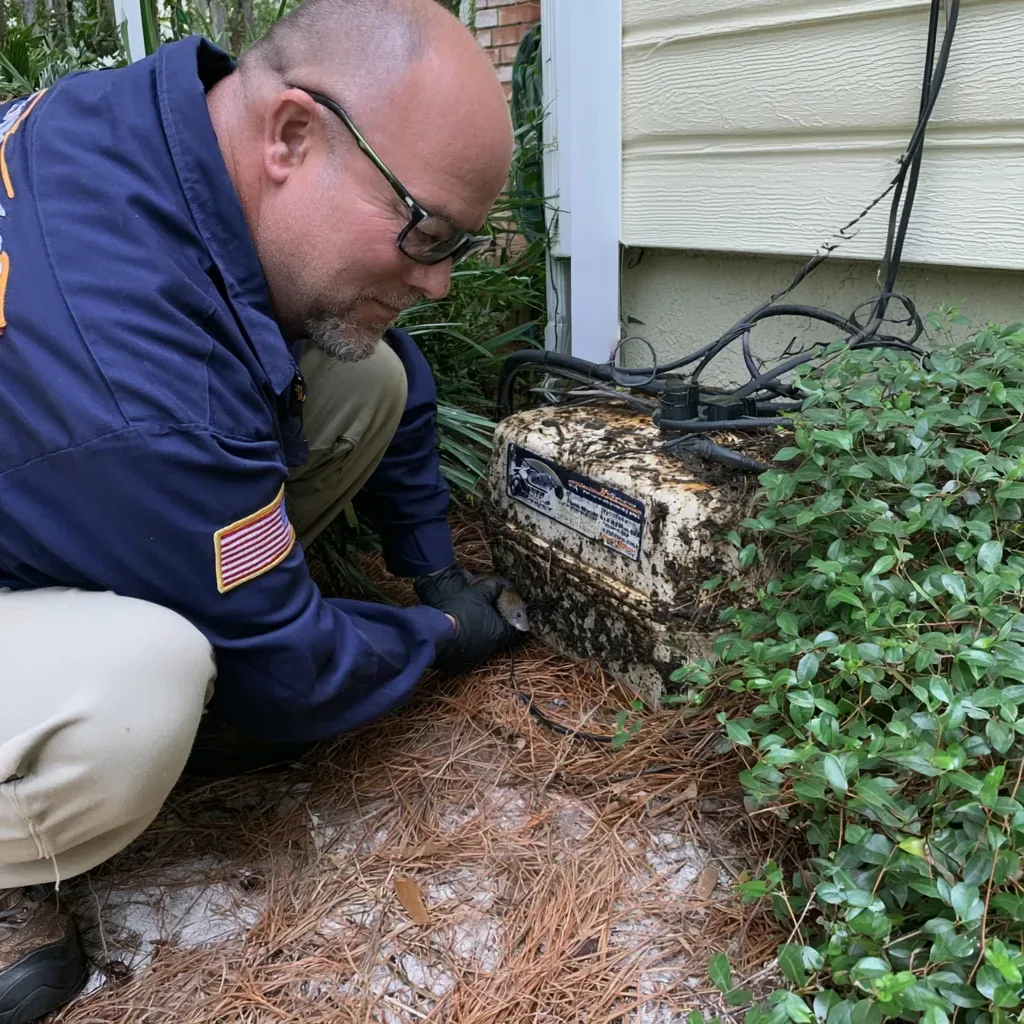
Mouse service for Waterbury homes near Interstate 84, guided by inspection findings.
In Waterbury, snow and ice can make an outdoor check harder, so note where signs appear before contacting a pro. Look inside near food storage, along walls, and around pipe openings; outside, note signs near the foundation or stored items. Say whether the activity is indoors, outdoors, or both. That helps the pros we connect you with understand what to inspect. If the property is near the Waterbury Green or the Mattatuck Museum, name the area when asking about service. A clear location report helps plan access without assuming the cause.
Cost depends on how many areas need attention, how easy they are to reach, and whether follow-up is included. In Waterbury, snow or ice may limit access to exterior routes and openings, which can affect the visit’s scope. A pro can first review reported activity, then inspect accessible routes and gaps. Findings guide whether trapping, baiting, or both fit the site. Ask what will be checked and how devices are monitored. If activity continues, the plan may need adjustment; timing varies with access and the provider’s service plan.
Around Watertown, Plantsville and Naugatuck, Mouse Control depends on how each building is built and used. A home near Orenaug Park and a small shop in Waterbury may call for different prevention steps.
For a homeowner’s service needs, visit residential rodent control; landlords and business owners can find their service information at commercial rodent control.
In a Waterbury home, check pantry shelves and cupboards for gnawed packaging or food disturbed from its container. Small droppings near stored food can help show where mice are traveling. Record which shelf or cabinet is affected, and whether the signs are fresh or old. In a small shop, note any damaged food packages in storage areas. These details can help a pro focus the inspection. A gap beneath a door or around a pipe can give mice a route indoors.
Mice may use narrow routes beside pipes, utility lines, and walls. In Waterbury, note any droppings or gnaw marks near those runs, then describe the room and which side of the space they occupy. A small gap around a pipe can provide access, so the route and opening both matter. A pro can inspect accessible sections and consider whether trapping or baiting fits the observed activity. Tell the pro if the same route appears active in more than one room.
Activity outside can show where a mouse may be approaching the building. In Waterbury, note signs near the foundation, around utility openings, or by sheltered storage. Droppings, gnaw marks, or nesting material can help locate a route, though inspection is needed to assess what they indicate. A small commercial property near the Naugatuck River can report which side or storage area is involved. Keep the report specific to the property; the river or nearby setting alone does not establish rodent activity.
The pro reviews reported signs and checks accessible mouse routes, including areas near food storage and utility openings.
Inspection findings guide whether trapping, baiting, or both suit the activity and access conditions.
Where offered, the provider seals suitable openings and explains steps that can limit access around the property.
Follow-up checks, when included, assess continuing activity and whether devices need attention or adjustment.
Waterbury includes varied homes and small commercial properties, so mouse routes and access differ from one site to another. A gap around a pipe can give mice a way inside even when food is stored carefully. Traps or bait address activity; sealing openings can help limit access when offered. If a property near the Mattatuck Museum has recurring signs, ask whether the service includes checks after devices are placed. Results depend on the findings and the work included.
The licensed pros we connect you with can explain which steps address the activity found during inspection. Ask whether the proposed work uses a pesticide or relies on traps. If bait is proposed, request the product name and label directions for placement and precautions. Keep the product name and any placement instructions available for reference. The method should follow inspection findings and site conditions, rather than treating every property the same way.
Before work begins, ask how traps or bait stations will be positioned and checked. Poor placement can leave active routes untreated, while regular checks help show whether devices need attention. For a Waterbury home or small business, the provider should explain the plan and any product precautions in clear terms. If droppings or urine need cleanup, avoid stirring up dust; contaminated material can carry germs. Follow the product label whenever bait is used.
For Waterbury, Mouse Control figures are estimates; the pros we connect you with confirm the visit charge and written scope for each property.
| Activity Signs | Planned Work | Cost Factors |
|---|---|---|
| Isolated signs | Signs and likely access points reviewed; trapping, baiting, sealing, and monitoring excluded | an estimated $225–$425 |
| Local activity | Agreed control devices and gap sealing after inspection; follow-up checks not included | an estimated $260–$555 |
| Broad activity | Control devices and follow-up checks by agreement; access-point sealing not included | an estimated $225–$425 |
| Difficult access | Inspection, agreed trapping or baiting, sealing, and follow-up monitoring when offered | an estimated $540–$1,700 |
Follow-up visits, device monitoring, and closing entry gaps can add work beyond the initial inspection. Upgrading sealing materials for longer service life may change the estimate as well. The full pricing guide lays out the factors that can shape the total.
Professional mouse control can include an inspection of activity and accessible openings, followed by trapping, baiting, or both. Some providers also offer sealing and follow-up checks. The inspection findings and the property’s layout guide the plan. When contacting the pros we connect you with in Waterbury, describe where signs appear and whether they are indoors or outdoors.
The cost depends on the areas involved, access to routes and openings, and which control steps the provider recommends. Follow-up checks or sealing, where offered, can also affect the scope. Share the locations of signs and any access limits when contacting a Waterbury provider. Ask for a clear description of what the proposed service includes.
Trapping and baiting are both possible approaches. A pro can consider the activity location, accessible routes, and site conditions when recommending one or both. A device that is difficult to access may be harder to check regularly. The service plan should explain the approach for your Waterbury property.
In Waterbury, the cost of mouse treatment depends on how widespread activity appears and where signs are found. Small gaps around pipes or door edges can give mice a way indoors, even when signs appear in just one room. The quote may reflect access to affected areas, the recommended trapping or baiting plan, any offered sealing work, and follow-up checks. Ask the independent pro to account for indoor and outdoor signs and explain which steps are included.
The licensed pros we connect you with can explain what signs would indicate the plan is working. Availability and timing vary by provider. Ask whether checks are part of the Waterbury service plan and what would prompt an adjustment. The answer depends on the inspection findings and the provider’s approach.
Note whether the material is concentrated in one spot or spread across several surfaces. Ask the provider whether cleanup guidance is part of the service. In Waterbury, describe where the material was found and whether it is near stored food or a travel route; that context can help the pro assess the area.
The estimate for mouse control is $225–$425, for this work; a property’s layout and the control steps recommended after inspection can move the figure. The pros we connect you with confirm the estimate and scope.
Food storage, careful cleanup, and sealing gaps each address a different part of prevention.
A sighting in a Waterbury home cannot count hidden mice. Whether a homeowner lives near Watertown High School or Cheshire Park, fresh signs and repeated activity matter more.
Read article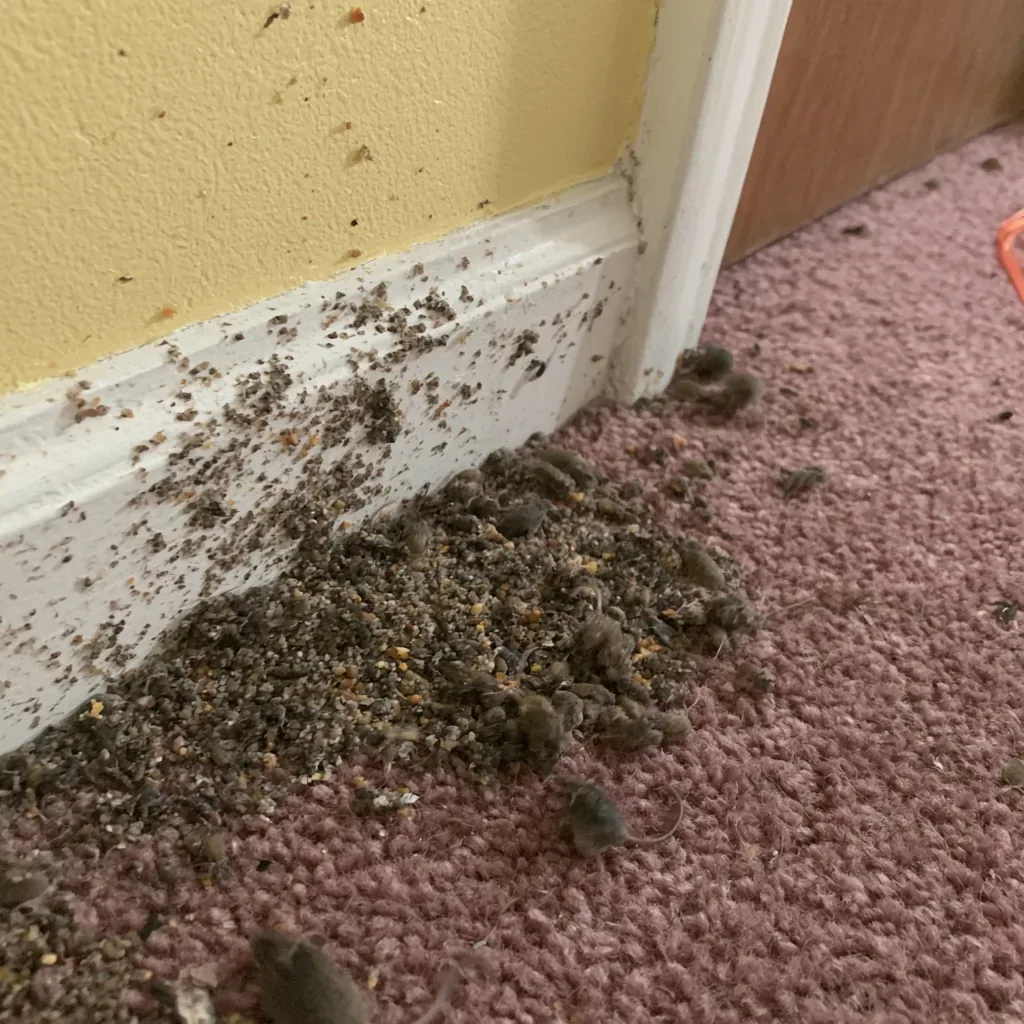
Learn how body shape, tail length, droppings, and activity signs can help distinguish a rat from a mouse in a Waterbury home.
Read article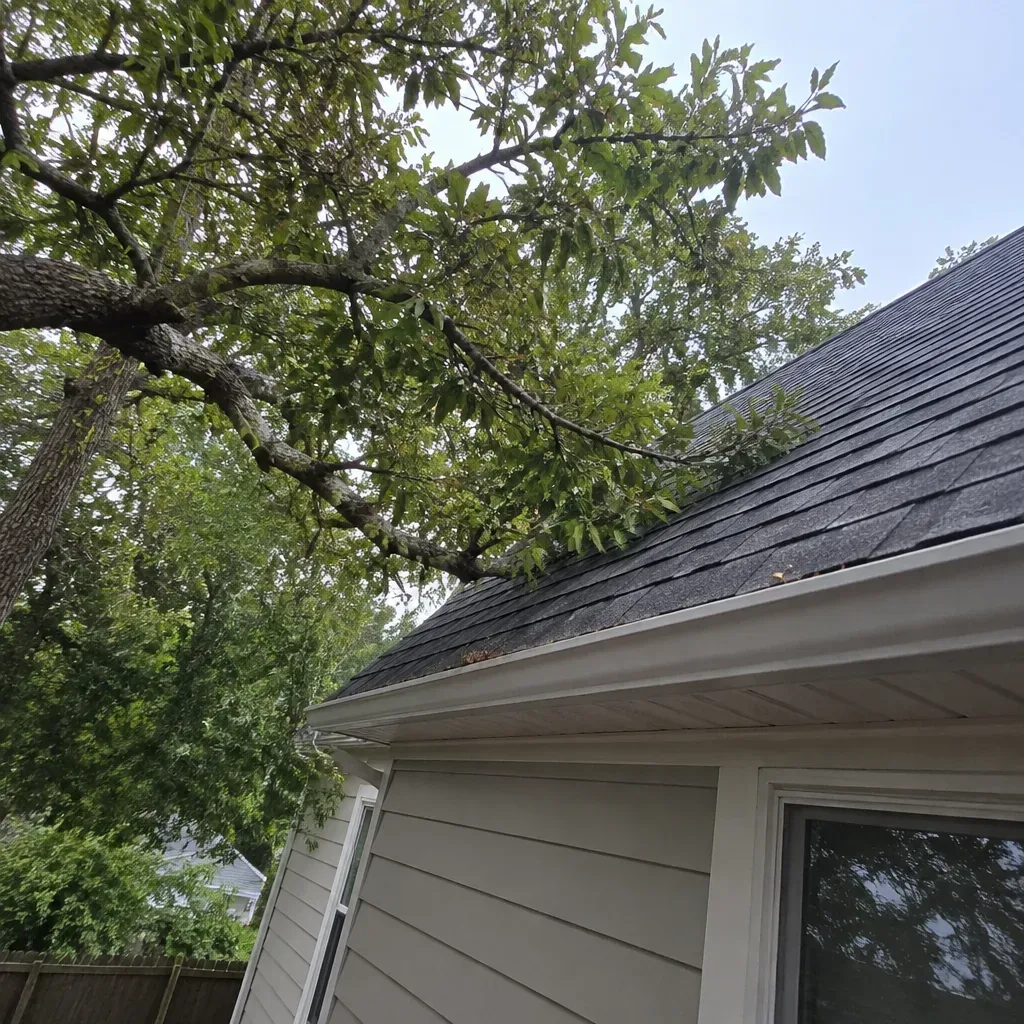
As fall cools around Waterbury, clear shed food and clutter, then watch for signs of activity. The same checklist applies near Cheshire Park, Mixville Park, and Strong Meadow Preserve.
Read articleA Waterbury property owner can ask whether service reaches the property and when a visit may be available. Describe the signs and their location, then ask what the inspection includes. Confirm any visit charge, the written scope, and whether follow-up checks or warranty terms are offered. A house near Waterbury Hospital and a small commercial space may need different plans. The pros we connect you with can explain available options after hearing about the site.
Call (203) 884-8369