One Sighting Cannot Count Hidden Mice
In Waterbury, one mouse is a reason to look closer, not a headcount. It may have crossed a room from a nearby hiding place, so one sighting cannot show how many remain unseen. A homeowner near the Town Green can note where and when it appeared, then watch for new evidence. One sighting does not prove a mouse infestation, but it cannot rule one out. Patterns across rooms and days give a clearer picture.
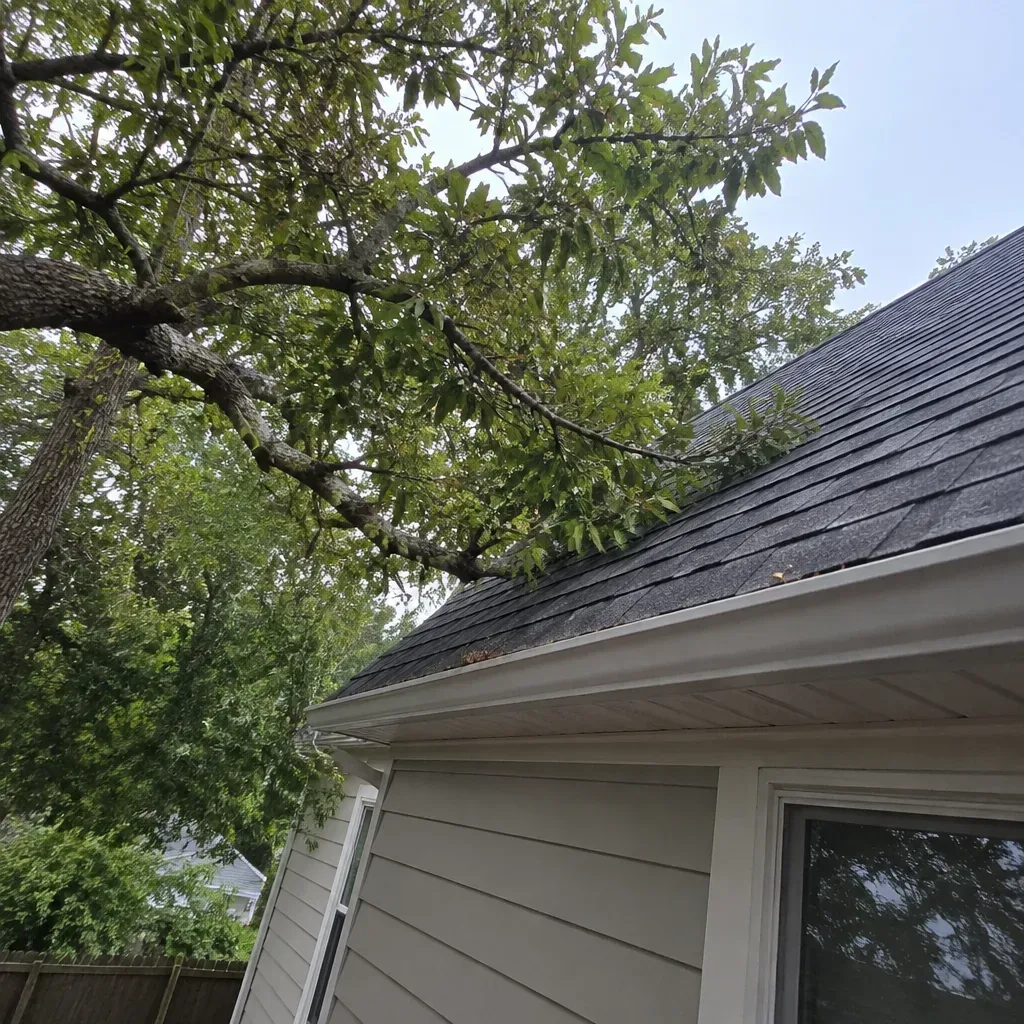
A mouse can get inside through a small opening near a pipe, door, or foundation. Seeing one in a kitchen does not reveal where it entered. A Waterbury homeowner can note nearby gaps and where the mouse appeared. Openings can leave routes between rooms or from outdoors into the home. This makes the sighting a useful prompt to check likely access areas, even when no other mouse has appeared in view.
Clues That May Point To More Activity
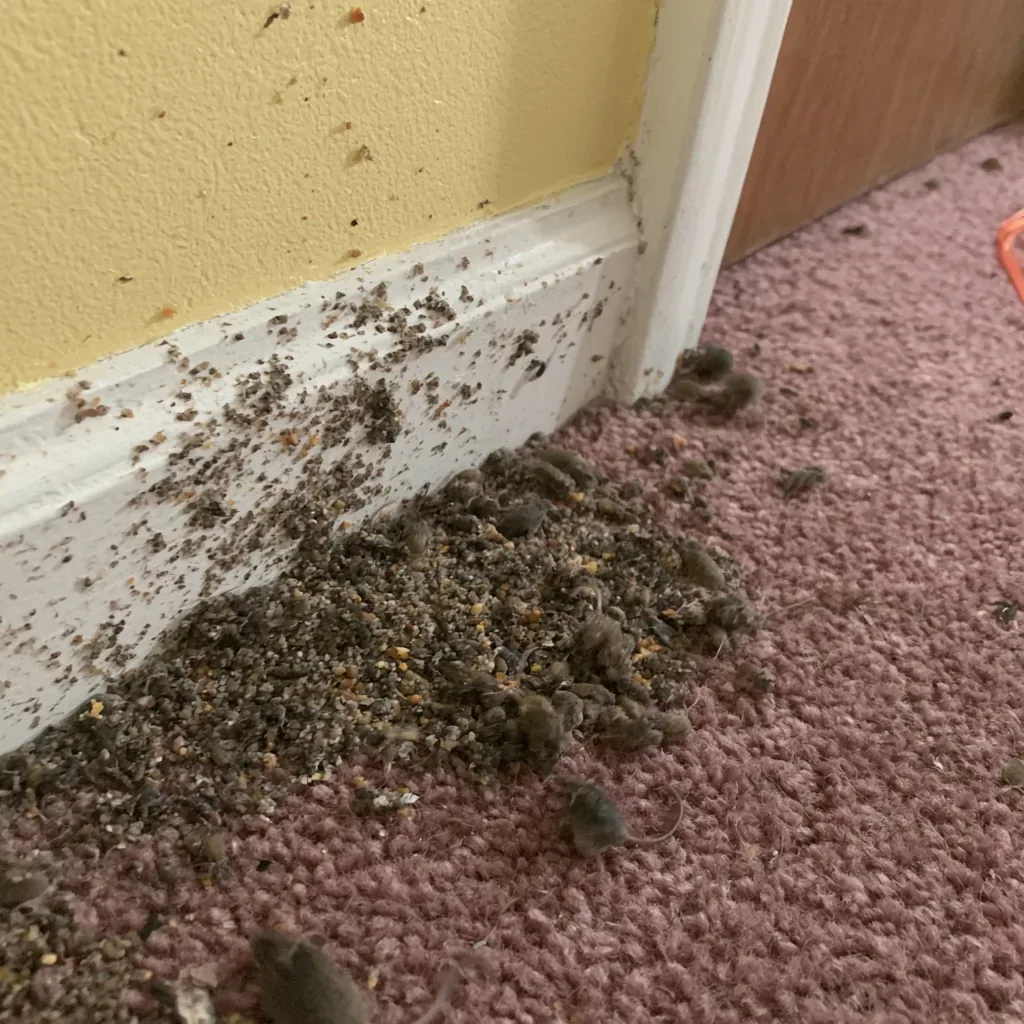
In a small Waterbury shop, one sighting during open hours may not show what happens after closing. Staff can note the room and time, then compare later sightings for a pattern. Droppings or gnaw marks in separate areas may suggest activity beyond the spot where the mouse appeared. Sounds can add another clue. These signs help the owner decide whether the sighting seems isolated or whether activity may be spread through the property.
For a small business near Interstate 84, a sighting beside stored goods may call for checking how supplies are kept. Sealed food containers and prompt crumb cleanup reduce easy food access. Clear storage areas also make new signs easier to notice. These steps support control, but they do not close gaps that let mice enter. The owner can track observations without assuming that one mouse represents a particular number of others.
Limit Food And Shelter Access
A homeowner near Saint Mary's Hospital can start with food and waste that mice might reach. Keep food in sealed containers, clear crumbs, and close trash securely. These habits remove easy food sources and can make a room less inviting. They do not establish whether more mice are present, and they cannot block an entry route. Checking for openings addresses a separate part of mouse control that food cleanup cannot reach.
Shelter can matter alongside food. In a Waterbury home, crowded storage may hide signs or give mice quiet places to move. Keeping stored items orderly makes corners and wall edges easier to check. The same approach can help in a small commercial property with back rooms or supply areas. Better visibility helps the owner notice whether evidence is isolated or appearing in more than one place, without treating clutter itself as proof of a mouse infestation.
When An Inspection May Help
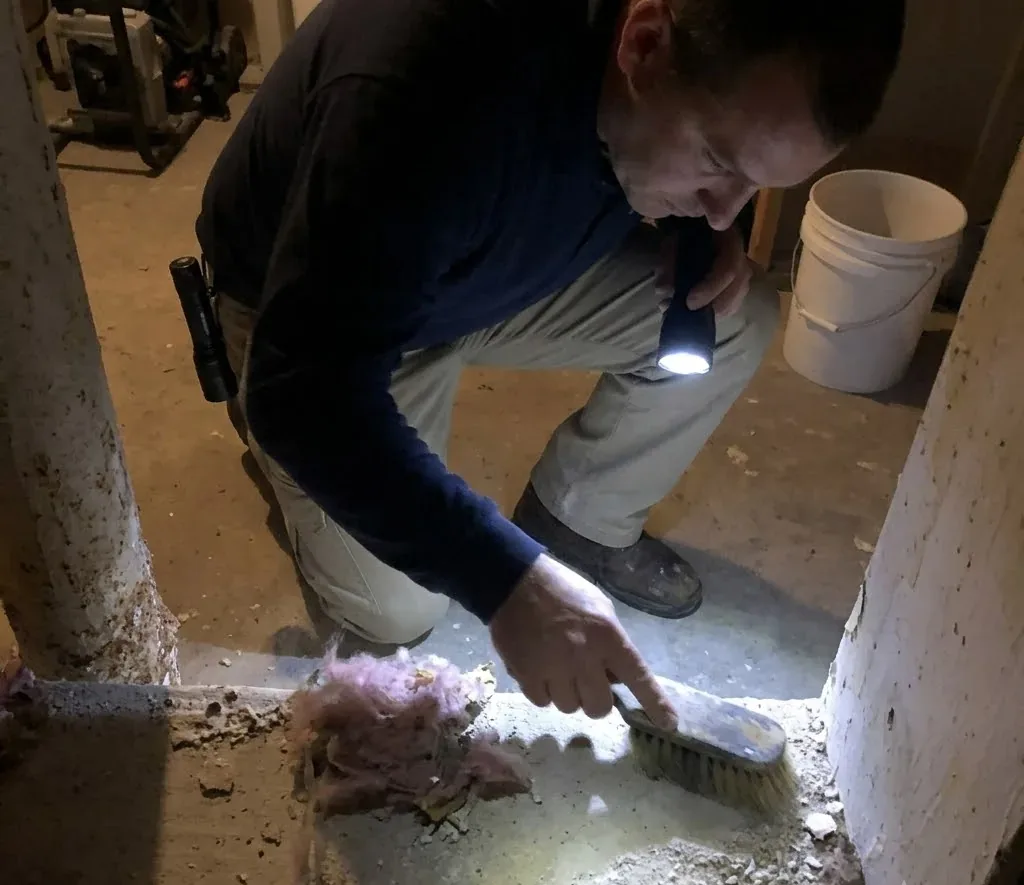
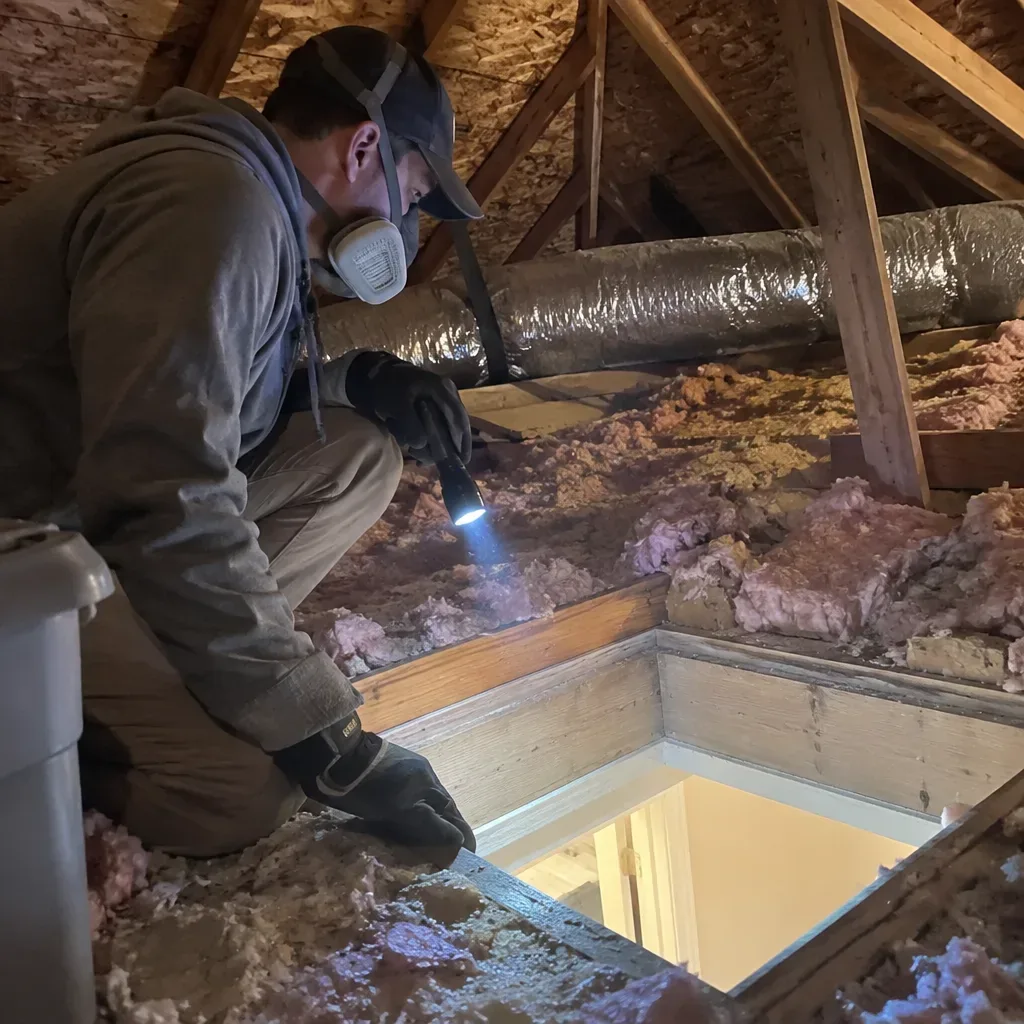
An inspection may help when fresh evidence appears in several places or sightings keep recurring. In Waterbury, a homeowner can record the rooms, dates, and signs noticed before arranging help. That account can help a provider assess whether activity is ongoing. A single sighting without other evidence leaves the number uncertain. Repeated clues across the home make it more reasonable to ask for an inspection and guidance on next steps.
A small commercial property owner can use the same threshold: recurring sightings or signs in separate rooms merit closer attention. Keep notes on locations and changes, then ask about an inspection if evidence persists. Rodent control can include trapping or baiting, sealing access points, and prevention guidance, depending on findings. Signs across separate rooms can help show which areas need attention during an inspection. No single sighting alone can settle how many mice are present.
Dealing with rodent activity in your home?
A note of earlier activity can give an inspection useful context. An inspection can help locate travel routes and possible openings. Small gaps around pipes or doors may deserve a closer look. Ask how inspection findings and possible next steps will be explained. The pros we connect you with can explain service coverage, available visit timing, and any visit charge. Ask what an inspection involves and what may affect the charge.