How Many Mice?
A sighting in a Waterbury home cannot count hidden mice. Whether a homeowner lives near Watertown High School or Cheshire Park, fresh signs and repeated activity matter more.
Read article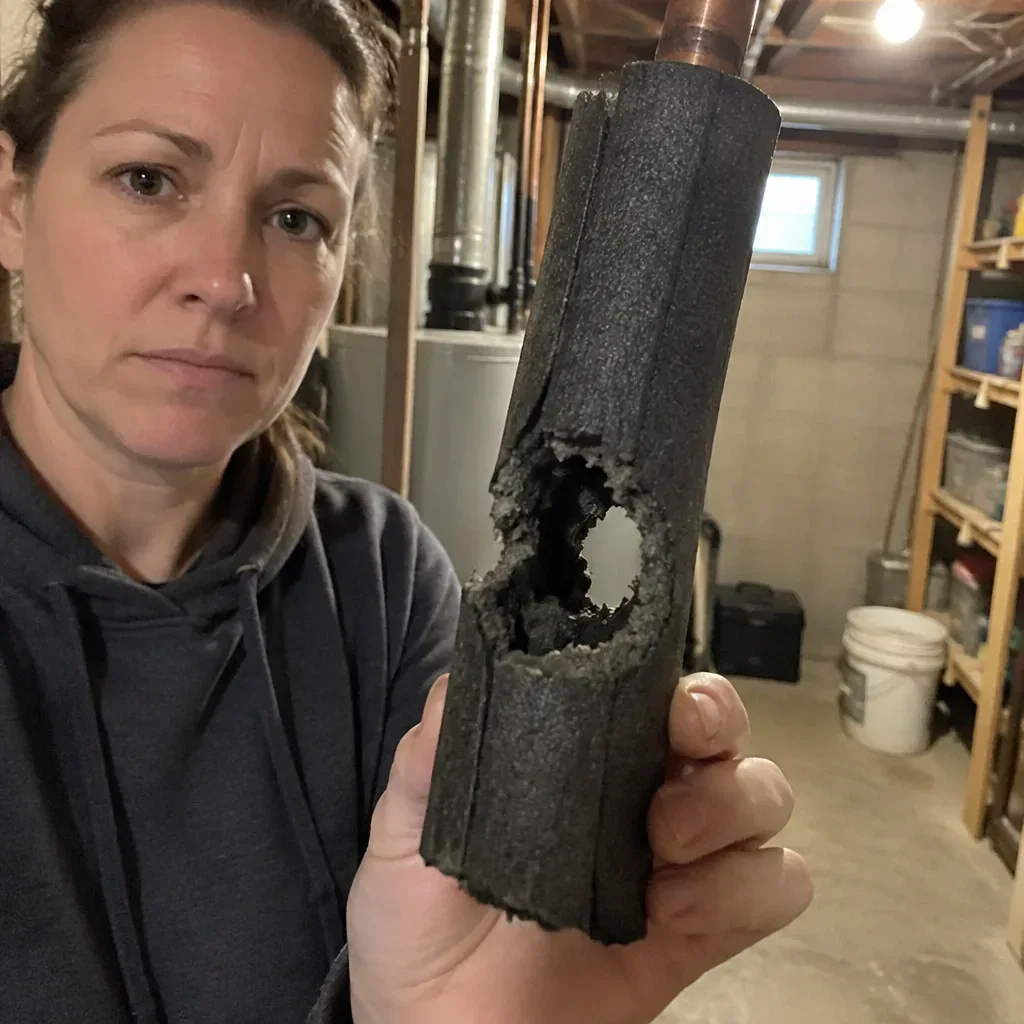
Inspection guides where rat bait stations or mouse bait may fit.
In Waterbury, snow and ice can make exterior gaps harder to spot until conditions clear. Inside, droppings, gnaw marks, or disturbed food can help locate where rats or mice travel. A home near the Naugatuck River may have different access points than a small shop near Naugatuck Green. Those places do not establish rodent activity; an inspection must establish what is happening at the property. Bait fits only when the signs and site conditions support its use.
The pros we connect you with can inspect activity first, then decide whether bait suits the site. The number and placement of rat bait stations or mouse bait depend on access, signs, and household or business use. Those details also affect the work and its cost. A tight basement or occupied shop may take longer to assess than an open storage area. In Waterbury, winter snow and ice can also limit an exterior inspection. Ask a local independent professional what methods fit the findings.
Around Watertown, Plantsville and Cheshire, Rodent Baiting depends on how each building is built and used. A home near Orenaug Park and a small shop in Waterbury may call for different prevention steps.
For a homeowner’s service needs, visit residential rodent control; landlords and business owners can find their service information at commercial rodent control.
Droppings and gnaw marks can help an inspector trace where rodents feed or pass. Fresh signs near stored food may point to a useful baiting area, but they do not identify every route. In a Waterbury home, the inspection should connect those clues with openings and hidden spaces before placement. A small commercial property near Naugatuck High School may have different storage and access patterns. Bait placement should follow observed activity, not an assumption based on the address.
Nesting material in a quiet corner can show where rodents settle, while scratching sounds may suggest movement behind a surface. Neither clue alone proves bait is the right response. The inspector considers where the activity occurs and whether people or pets can reach the area. In Waterbury, a basement used for storage may need a different placement plan than a shop floor. Findings guide whether baiting, trapping, or another control step fits the property.
Gaps around doors, pipes, and foundations can offer access even when signs appear indoors. An inspection checks those routes alongside droppings and gnaw marks, since bait addresses activity but does not close an opening. At a Waterbury property, snow or ice may obscure an exterior gap during a visit. The Naugatuck River and nearby streets are local context, not proof of an infestation. A professional should base bait decisions on evidence found at the specific building.
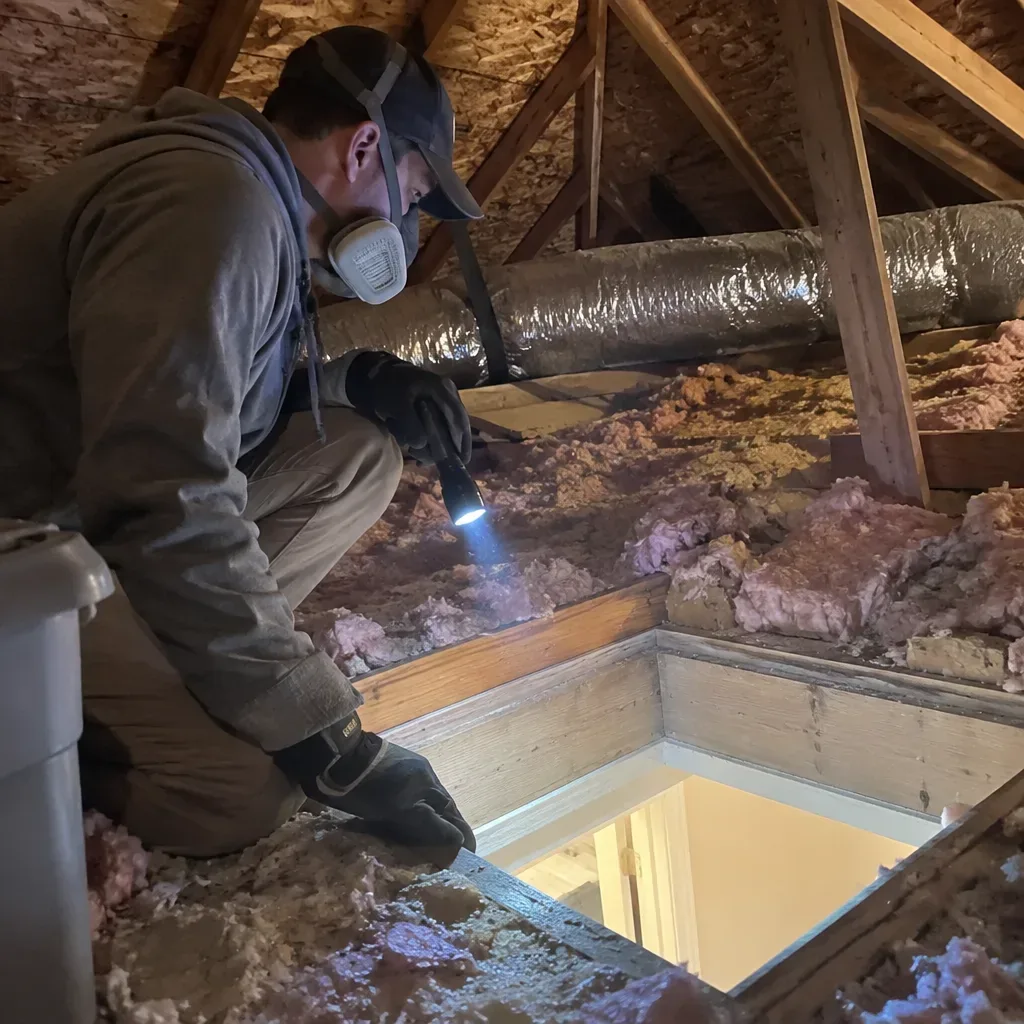
The professional checks droppings, gnaw marks, nesting material, and possible access routes to locate activity before choosing bait.
The professional considers household or business access, food storage, and children or pets before selecting a label-compliant placement.
Rat bait stations or mouse bait are placed where inspection findings support use, with access limited as the label directs.
The provider explains any monitoring included in the plan and whether activity could call for a change in control measures.
Waterbury has urban housing and residential areas, but construction and use differ from one building to another. A building's layout can affect where rodent activity is noticed inside the home. In older or crowded storage areas, a station may be hard to place where rodents travel without exposing people or pets. Baiting works best as part of a site-specific plan, with access and safety considered before placement.
When a Waterbury service uses pesticide bait as a commercial application, Connecticut requires the business to register with DEEP. Business registration and applicator certification cover separate responsibilities in pesticide work. These requirements apply to pesticide application; they do not mean every rodent job uses bait. Ask the provider whether the proposed method involves pesticide and who will apply it. Product directions govern placement and precautions, including how to keep children and pets away from bait.
Bait choice and placement should match the product label and the conditions at the property. A professional can explain where stations would go, what access limits matter, and what precautions apply around children or pets. This matters in occupied Waterbury homes and small businesses with food or supplies on site. Bait should not be used in a way that conflicts with its label. Ask for the placement plan before work begins and follow the stated precautions afterward.
For Waterbury, Rodent Baiting figures are estimates; the pros we connect you with confirm the visit charge and written scope for each property.
| Activity Signs | Planned Work | Cost Factors |
|---|---|---|
| Isolated signs | Signs and likely access points reviewed; trapping, baiting, sealing, and monitoring excluded | an estimated $175–$350 |
| Local activity | Agreed control devices and gap sealing after inspection; follow-up checks not included | an estimated $200–$455 |
| Broad activity | Control devices and follow-up checks by agreement; access-point sealing not included | an estimated $175–$350 |
| Difficult access | Inspection, agreed trapping or baiting, sealing, and follow-up monitoring when offered | an estimated $420–$1,400 |
An inspection may lead to added device checks or entry sealing, which can change the estimate. Upgrading to longer-lasting materials for closing access points may also affect the total. Compare what each plan includes, then use the full pricing guide to review the cost factors.
Children and pets should be considered before deciding where bait can be placed. If bait fits the evidence and site conditions, the professional selects and places it according to its label. Rat bait stations or mouse bait may be used, with placement shaped by activity and access limits. Trapping or exclusion may also be recommended. In Waterbury, ask how the findings support baiting at your property.
The signs help guide placement, but no single clue settles the choice. Droppings, gnaw marks, or nesting material can show where rodents travel or feed. An inspector also considers openings and whether bait can be placed with suitable access limits. Waterbury homes and small businesses vary, so the plan should reflect the actual site. Ask what evidence supports baiting and whether another method may fit better.
Rat bait stations are designed to hold bait and restrict access, but placement still matters. A professional should consider activity routes, nearby food, children, pets, and the product label. The right station and location depend on the property. In a Waterbury home or shop, ask where stations would be placed and what precautions apply. Keep people and pets away as directed by the label and provider.
Baiting can be one part of rodent control. Depending on inspection findings, a provider may also recommend trapping or sealing access points. Bait addresses rodent activity; sealing can help limit entry. The right combination depends on the building and observed signs. For a Waterbury property, ask which steps are included in the proposed service and which conditions led to that recommendation.
Cost depends on the inspection findings, the areas that need attention, placement access, and whether other control steps are recommended. A small open area may take less work than a cramped basement or an occupied business with storage constraints. Waterbury properties vary, so a professional needs site details before estimating. Ask what the estimate includes and which conditions could change the work.
Timing depends on the size and access of the areas being inspected, the signs found, and the placement plan. Snow or ice can make exterior access harder during a Waterbury visit. Ask the provider what can be assessed during the appointment and whether weather or restricted areas could affect the schedule. The provider can explain what happens after placement and whether later checks are offered.
For rodent baiting, the estimate is $175–$350, for this work; device placement and the checks included in the service plan can affect cost. The pros we connect you with confirm the scope and estimate.
Food storage, careful cleanup, and sealing gaps each address a different part of prevention.
A sighting in a Waterbury home cannot count hidden mice. Whether a homeowner lives near Watertown High School or Cheshire Park, fresh signs and repeated activity matter more.
Read article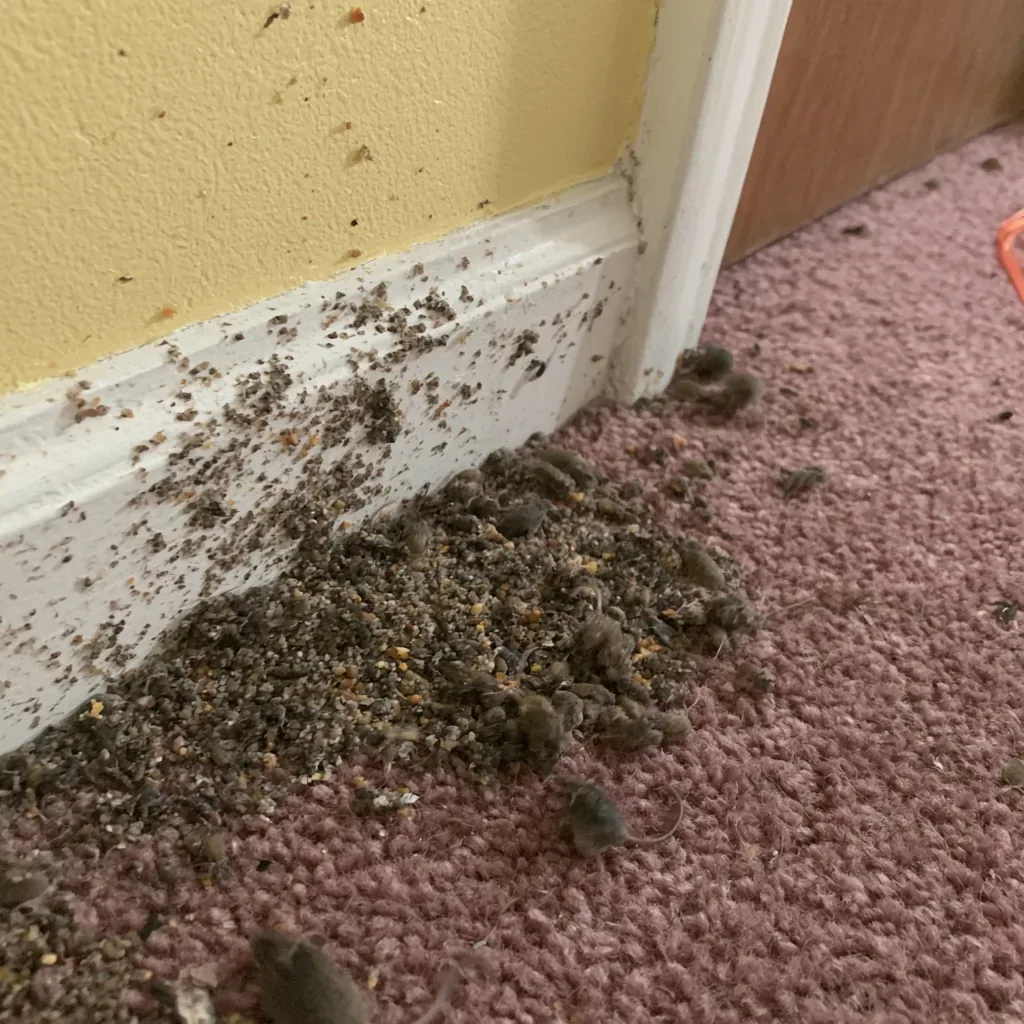
Learn how body shape, tail length, droppings, and activity signs can help distinguish a rat from a mouse in a Waterbury home.
Read article
Learn which changes around a hole may suggest an active rat burrow, what else can cause openings, and when a closer inspection may help in Waterbury.
Read articleA Waterbury property owner can ask whether service reaches the property and when a visit may be available. Describe the signs and their location, then ask what the inspection includes. Confirm any visit charge, the written scope, and whether follow-up checks or warranty terms are offered. A house near Waterbury Hospital and a small commercial space may need different plans. The pros we connect you with can explain available options after hearing about the site.
Call (203) 884-8369