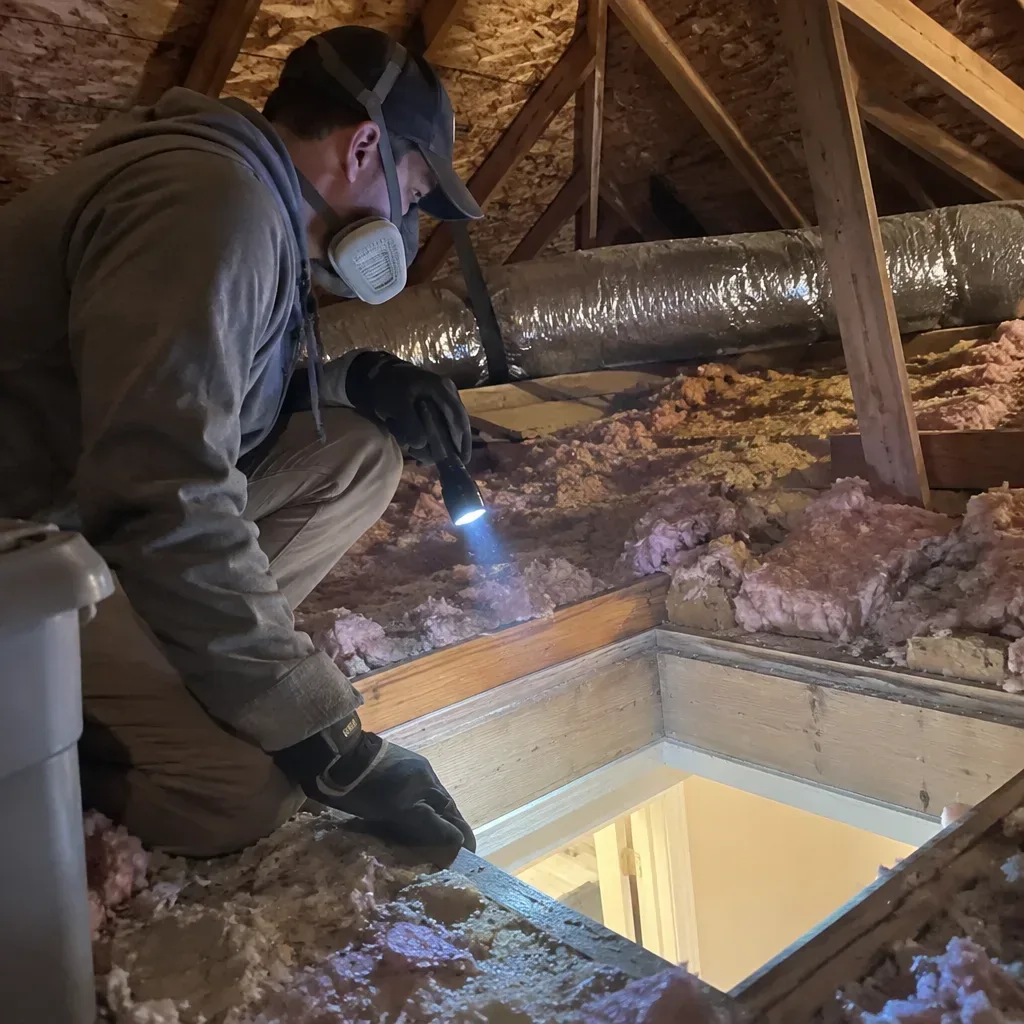
How Many Mice?
A sighting in a Waterbury home cannot count hidden mice. Whether a homeowner lives near Watertown High School or Cheshire Park, fresh signs and repeated activity matter more.
Read article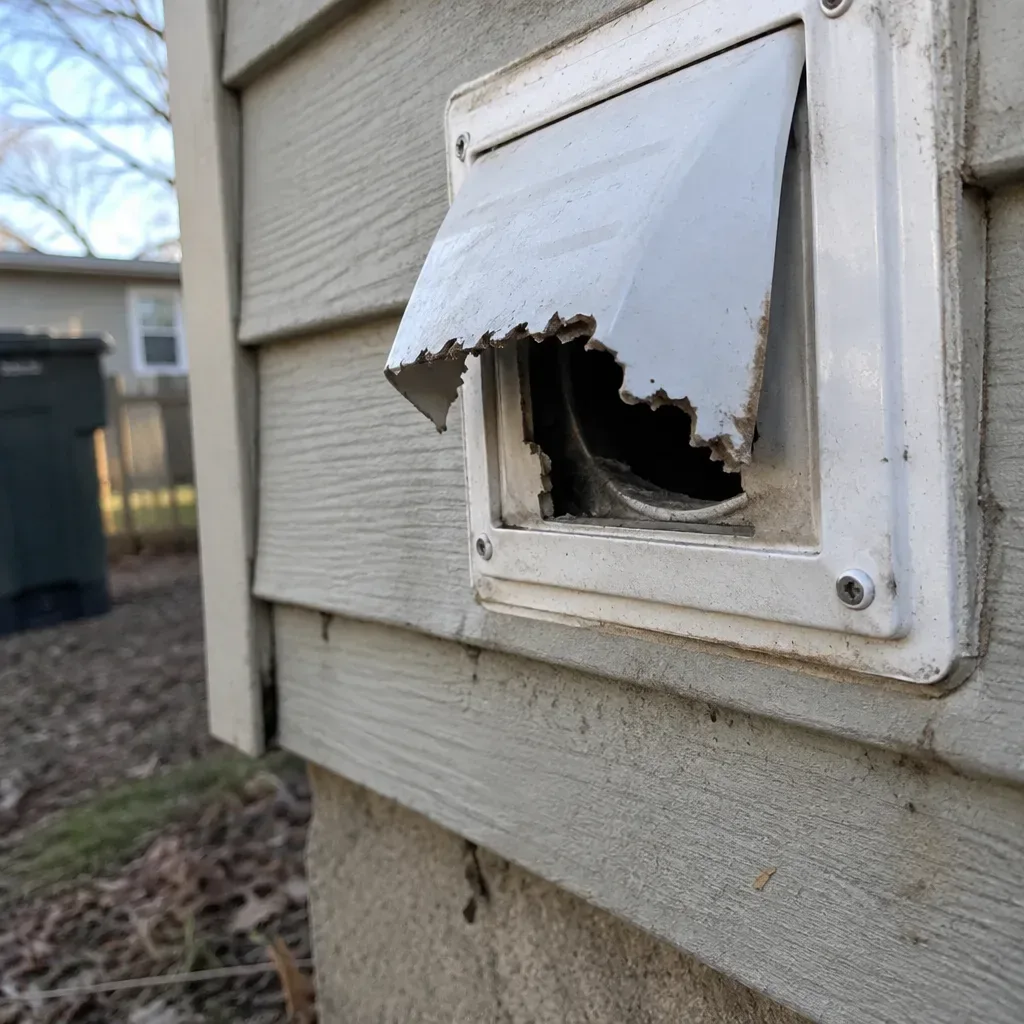
Trace openings and plan rodent proofing near Waterbury Green.
In Waterbury, homes and small commercial buildings sit among busy streets and established neighborhoods. Snow and ice can make exterior access harder in winter, while each property has its own openings and layout. A gap near a utility line or foundation can give rats or mice a route inside. Signs such as droppings or gnaw marks may help show where activity is occurring. Sealing those routes can limit access, but the right work depends on what a professional finds at the property.
The pros we connect you with can assess suspected openings, then decide which ones suit rodent exclusion. In Waterbury, access and the number, location, and condition of gaps affect the work, its cost, and the time required. A property near Interstate 84 may have different arrival and access needs than one near the Waterbury Green; no particular schedule is guaranteed. The professional can explain suitable closure materials and how sealing fits with trapping or baiting, if those steps are part of the service plan.
In Waterbury, Rodent Exclusion can start with signs and access points found at the property. Homes near the Naugatuck River may need different inspection focus than small businesses near Naugatuck Green.
Start with residential rodent control when the service is for a homeowner; landlords and business owners can review their options at commercial rodent control.
A wall-side travel path can matter even when the precise gap remains uncertain. In Waterbury, a professional can consider where signs appear when assessing suspected access routes. A gap around a pipe or foundation may be worth discussing for closure. The location and condition of that opening help determine whether entry point sealing is suitable and what material can hold there.
An opening can be easy to miss when it sits behind stored items or where a utility line passes through a wall. At a house or small shop near Rockwell Park, the owner can point out recurring signs and areas that are hard to reach. The professional can assess those suspected routes and explain which gaps may be closed. Clear access to the work area helps the assessment and sealing proceed more smoothly.
A closed gap can stop serving as a barrier if its edges loosen, crack, or leave space around a pipe. That can leave a route available even after other openings have been sealed. For a Waterbury property, ask the professional what was closed and what signs would merit another check. Keeping a record of the material used can help explain what may need attention if an edge changes.
The professional reviews reported signs and suspected openings to identify possible routes for rats or mice. The findings guide the exclusion plan.
Openings are assessed for location, condition, and access. These details help determine which gaps can be closed and what materials suit the surfaces.
The professional seals suitable gaps and openings, aiming to leave fewer routes into the building. The closure must fit the opening and hold securely.
If follow-up is offered, the provider checks for continuing activity and reviews any devices in the service plan. Findings can guide adjustments.
Waterbury includes urban housing and residential areas, but each building has its own layout and openings. A gap that remains open can leave a route inside after other control steps. Rodent exclusion pairs suitable sealing with the findings at one property. At a home or a small business near the Mattatuck Museum, an owner can ask which openings are appropriate to close and what follow-up, if any, the provider offers.
Rodent activity may leave droppings or gnaw marks that help identify areas needing attention. In Waterbury, rodent exclusion uses identified access routes to guide sealing around pipes, doors, or foundations. A professional can select suitable closure materials and close small gaps that rats or mice could use. Traps or bait may address activity while entry point sealing limits access; findings guide the approach. Homes and small businesses near the Waterbury Green, Mattatuck Museum, or Waterbury Hospital may need different openings addressed. Ask the pros we connect you with to assess suspected entry points and explain which openings suit exclusion.
If a service plan includes rodent bait, the product label governs its use, placement, and precautions. The owner can ask for the product label to review its directions before deciding how bait will be handled. Sealing openings is a separate part of rodent proofing: it can reduce access, while traps or bait stations address activity. Ask the professional which steps are proposed and how any devices will be checked.
Rodent Exclusion figures for Waterbury are estimates only; confirm the visit charge and written scope with the pros we connect you with before service.
| Site Findings | Control Scope | Projected Expense |
|---|---|---|
| Minor evidence | Waterbury inspection discussion: rodent signs and possible gaps; no treatment or sealing | an estimated $175–$550 |
| Ongoing activity | Review signs and gaps, then agreed trapping or baiting with sealing; no monitoring | an estimated $200–$715 |
| Property-wide activity | Agreed trapping or baiting with monitoring checks; opening repairs are excluded | an estimated $175–$550 |
| Limited access | Inspection-led control, agreed gap sealing, and monitoring where offered; scope confirmed before work | an estimated $420–$2,200 |
Trapping or baiting, exclusion work, and later checks each add different tasks to a service plan. The materials chosen for sealing can also affect the estimate when longer-lasting options are available. See the full pricing guide for a closer look at what can move the cost.
A professional assesses suspected access points, selects closure materials suited to each opening, and seals those that can be closed safely and effectively. Trapping or baiting may address activity as part of the plan. In Waterbury, the number, condition, and accessibility of openings affect the scope and cost. Ask the pros we connect you with to explain which gaps are suitable for exclusion and why.
The cost depends on how many openings need work, their size and condition, and how accessible they are. A gap that requires clearing or careful fitting can take more effort than an exposed opening. In Waterbury, the professional can assess the property and explain the proposed scope before work begins. No price can be determined from the town alone.
The professional can assess openings around foundations, utility lines, and other building edges, then identify which ones may be suitable for closure. Rats and mice can use small gaps, though the opening needed can vary. The pros we connect you with can explain which suspected routes matter at the property without assuming every gap is active.
A suitable closure material depends on the opening, the surrounding surface, and whether the closure can remain secure there. The professional should explain the material selected and how it will cover the gap. If an opening cannot be closed reliably, ask what other control steps may be appropriate for the site.
Sealing can reduce access, but results are not guaranteed if openings remain or new gaps develop. The owner can ask what was closed and what conditions could leave another route available. Store food in sealed containers and clear accessible crumbs; those steps support control but do not replace closing entry points.
Follow-up availability and timing vary by provider. Where offered, a check can help determine whether rodent activity continues and whether traps or bait stations need attention. Ask how the pros we connect you with will monitor the work, what signs to watch for, and how to report renewed activity.
The estimated band for rodent exclusion is $175–$550, for this work; the amount and location of rodent signs can affect the inspection and control plan. The pros we connect you with confirm the estimate.
Trapping, baiting, and device checks vary with site conditions and the service plan.
A sighting in a Waterbury home cannot count hidden mice. Whether a homeowner lives near Watertown High School or Cheshire Park, fresh signs and repeated activity matter more.
Read article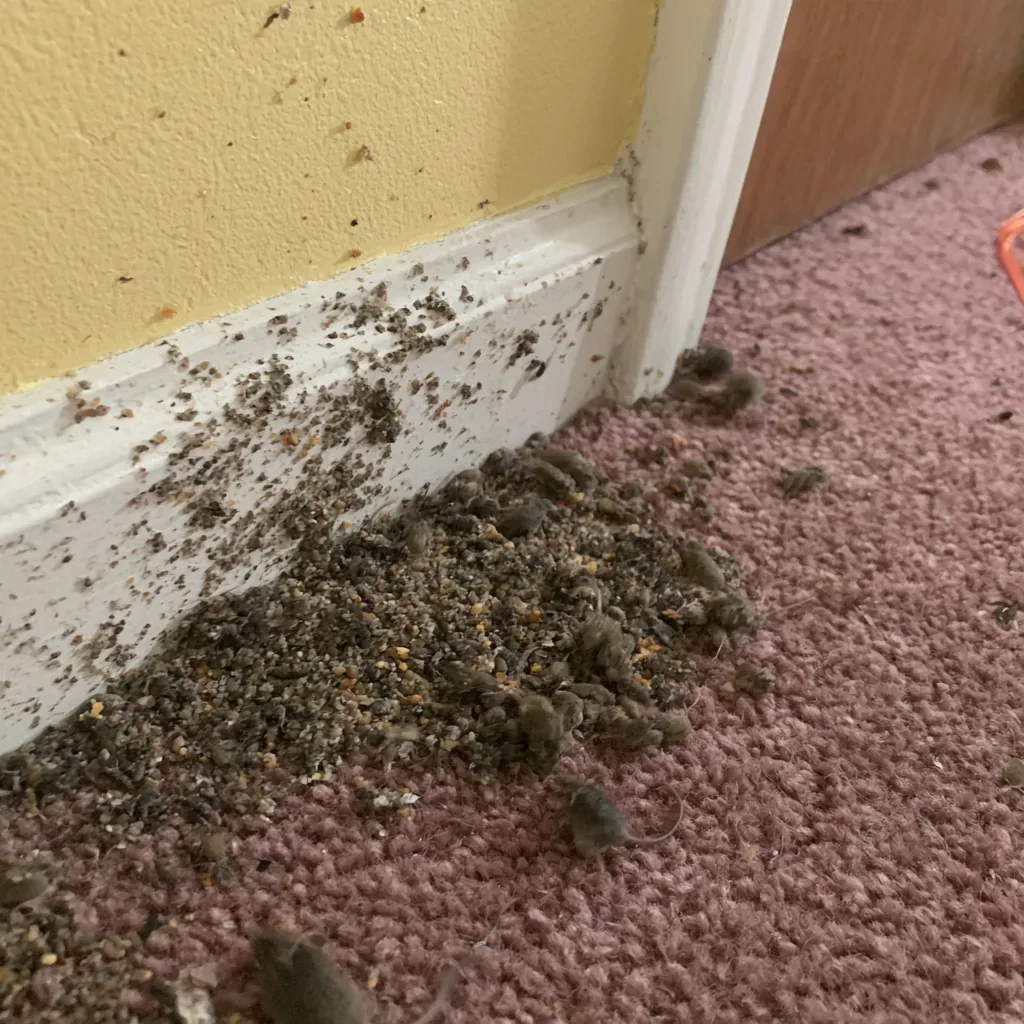
Learn how body shape, tail length, droppings, and activity signs can help distinguish a rat from a mouse in a Waterbury home.
Read article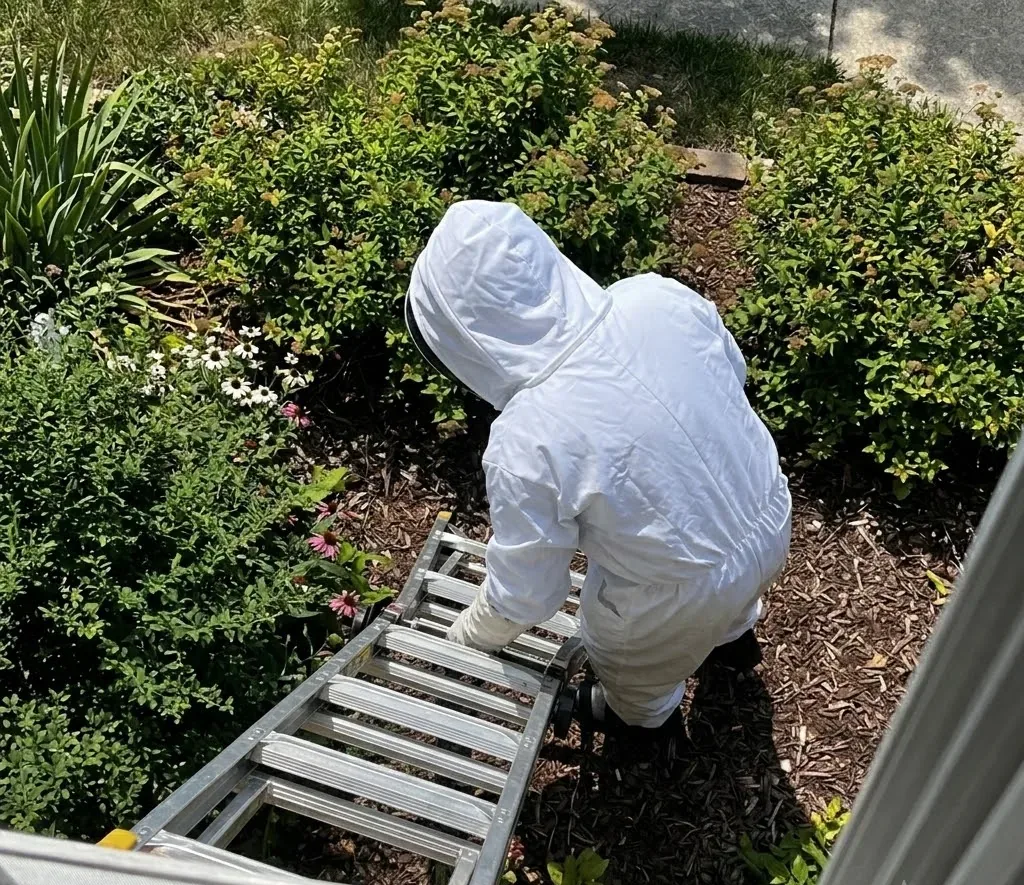
Learn which changes around a hole may suggest an active rat burrow, what else can cause openings, and when a closer inspection may help in Waterbury.
Read articleA Waterbury property owner can ask whether service reaches the property and when a visit may be available. Describe the signs and their location, then ask what the inspection includes. Confirm any visit charge, the written scope, and whether follow-up checks or warranty terms are offered. A house near Waterbury Hospital and a small commercial space may need different plans. The pros we connect you with can explain available options after hearing about the site.
Call (203) 884-8369