Warehouse Rodent Control
Waterbury Warehouses
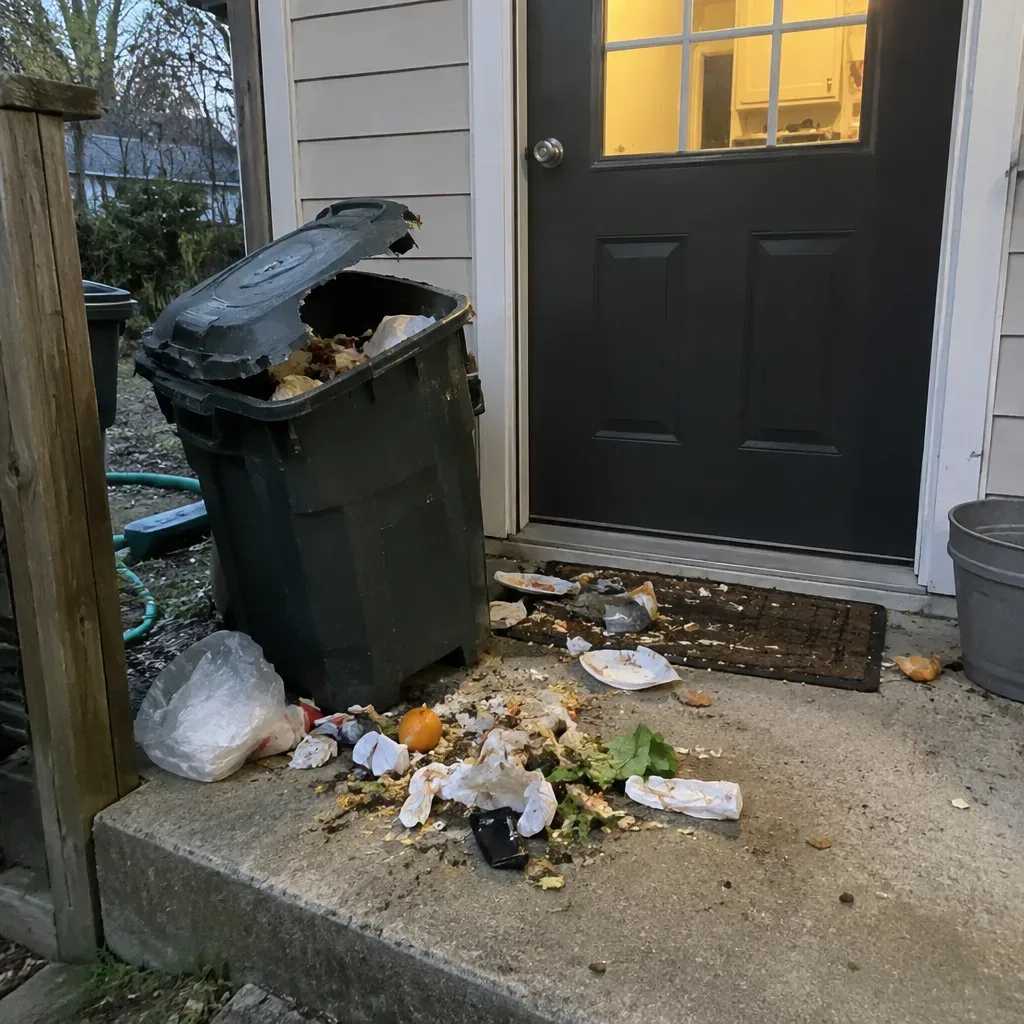
Plan monitoring around production, storage, sanitation routines, and the access limits of each Waterbury facility.
Food facilities can track activity by zone, keep dated service records, and coordinate visits with sanitation and production schedules. An assessment can guide trapping, baiting, and entry-point work based on site conditions and access rules.
Food processing rodent control depends on the site layout, affected areas, access needs, and follow-up plan. These factors shape the work and its cost. The pros we connect you with can assess routes around production and storage, then recommend steps based on observed activity. For a Waterbury facility, clear directions and a nearby reference can ease site access. Waterbury Green, Mattatuck Museum, and Waterbury Hospital are familiar local references. The goal is practical monitoring that fits food handling and operating routines.
Monitoring starts with signs and likely travel routes. Changes in cleaning or storage can make old signs easier to notice. An inspection helps determine where signs begin and whether they relate to rats or mice. In food facilities, teams can note activity near receiving areas, storage, waste handling, and production boundaries. Keep observations tied to specific zones. This helps distinguish an isolated sign from a pattern that needs attention.
A simple site map can make observations easier to use. Mark where signs appear, where product is stored, and which spaces connect. Note when the area was last cleaned or inspected, if known. Waterbury facility teams can share these details with the pros we connect you with before an assessment. The map does not diagnose the cause. It gives the inspection a clear starting point and helps avoid missed areas.
Control steps need to fit sanitation and food handling. Staff can identify cleaning windows, product changeovers, and areas that must remain clear during production. The service plan can then account for those routines. Food storage practices also matter: sealed containers and removal of accessible crumbs reduce available food. Sanitation supports rodent control, but it does not close entry gaps. Teams should track both housekeeping conditions and signs of activity.
Facility access and operating schedules affect when an inspection can happen. Some zones may require an escort, protective clothing, or a pause in nearby work. Share those requirements before arranging access. Explain which rooms hold ingredients, finished goods, or equipment that cannot be moved. This lets the pros we connect you with plan a route through the site. It also helps limit disruption to staff and production.
| Facility zone | Activity signs | Access window |
|---|---|---|
| Activity signs | Note signs near lines and equipment | Coordinate checks around food handling |
| Affected zones | Log signs by stored goods | Keep product access clear |
| Sanitation timing | Record activity near incoming loads | Plan access with receiving staff |
| Shift access | Mark gaps and signs by location | Prioritize openings for review |
| Monitoring records | Note cleaning times and affected zones | Align visits with cleaning schedules |
| Follow-up status | List restricted areas and entry steps | Set timing around plant operations |
| Service notes | Record findings and device checks | Share notes with site contacts |
| Storage checks | Compare activity across visits | Adjust checks when signs continue |
The inspection can guide whether trapping, baiting, sealing, or a combination fits the site. Rats and mice may use small openings around doors, pipes, or foundations. Findings help locate possible access points and activity routes. Traps or bait address activity, while sealing gaps can limit entry. The right measures depend on what the inspection finds and the facility conditions. No single setup suits every production or storage area.
Entry points deserve attention alongside signs inside the building. Inspectors may look at utility lines, door edges, and foundation openings for routes rodents could use. A small gap around a pipe can admit mice, while larger openings may allow rats through. Sealing access points can reduce those routes, but it does not remove rodents already present. The facility may need monitoring after repairs to see whether activity continues.
Food and waste handling can change what attracts rodents to an area. Keep ingredients contained, clear accessible crumbs, and follow the facility’s sanitation schedule. If droppings or urine are found, avoid stirring up dust while cleaning. Staff should follow site cleanup procedures and protect exposed food and equipment. These steps support control work, while inspection and access-point repairs address other parts of the problem.
Monitoring devices work best when their locations match observed activity and site conditions. A service plan can identify where traps or other devices belong and how they will be checked. Staff can report blocked access, moved equipment, or new signs between visits. Those changes may affect what a monitor shows. Ask the pros we connect you with how device checks fit the facility’s schedule and who should report changes.
Rodent follow-up monitoring helps show whether activity remains and whether control measures need attention. New activity near a device may reveal a route earlier checks missed. A follow-up can revisit the affected zones, check devices, and compare new observations with earlier ones. If signs persist, the plan may need adjustment or another inspection. Record what changed in the area between visits, including cleaning, repairs, or shifts in storage. That context makes results easier to interpret.
Useful service records connect observations to places and actions. A facility can keep notes on affected zones, device checks, access-point repairs, and changes in sanitation or storage. This history helps staff see whether signs recur in the same area or appear elsewhere. Keep entries brief and specific. For a Waterbury site, shared records can help facility contacts and the pros we connect you with discuss the same locations and conditions.
Organizations with several facilities may coordinate service records across sites. A shared format can help teams compare affected zones, sanitation routines, access limits, and follow-up needs. Each building still needs its own inspection because layouts and conditions differ. Keep local observations distinct rather than assuming one site’s findings apply elsewhere. This approach supports coordination without treating every operation as identical.
For a facility-specific assessment, gather activity observations, affected zones, sanitation schedules, and access requirements. Include storage and production areas where signs appeared, plus any recent changes to cleaning or equipment placement. The pros we connect you with can use this information to plan an inspection and discuss suitable control steps. Share operating windows and site entry procedures early. That helps the visit fit the facility’s workday.
Waterbury facility teams can describe the site location and any access instructions when arranging an assessment. A nearby reference such as Waterbury Hospital may help clarify directions, but the facility address and entry point matter most. Bring observations from production and storage areas, along with sanitation timing and access needs. Those details help shape an inspection focused on the building’s actual conditions.
Rodent follow-up monitoring costs depend on facility size, access windows, and the number of zones that need review. A Waterbury plant can map production rooms, loading areas, and storage separately so observations lead to clear next steps. Record sanitation timing and food-handling restrictions before arranging access. For dispatch notes, distinguish Waterbury sites from regional references such as Naugatuck, Woodbury, and the Naugatuck River; the facility address and zone map should guide the visit. This gives the assessment a practical starting point without assuming every operation runs alike.
The county links help property owners check the reach of rodent inspection and control options from the pros we connect you with for residential and commercial sites, includingPlantsville, Cheshire and Bristol. Ask how inspection, treatment, and return visits are billed, whether travel is included, and whether the pros we connect you with serve the site.
Small shops are often quoted per visit, with the total shaped by building size and visit frequency. $80–$175 gives a guide figure. A cafe with storage rooms may need different checks than a compact office. Ask whether trapping or baiting, gap sealing, and follow-up checks are included.Commercial pricing changes with inspected area, access, device placement, exclusion work, and follow-up in the agreed scope. A small shop near Waterbury Hospital may need a different parts list than a house. When calling, tell the pros we connect you with about building use, affected areas, signs, and access limits.See pricing guide for full rodent control guide bands; commercial overview explains how a scheduled program works.
Waterbury Warehouses
Waterbury Apartment Rodent Control
Commercial Rodent Control
Set monitoring points along the edges of production and storage zones, with locations chosen around the facility’s workflow. Keep a dated record of observations, affected areas, and any device checks. In Waterbury, share that record with the pros we connect you with, along with access rules and sanitation timing. A follow-up visit can help determine whether the service plan needs adjustment; timing depends on the provider and site conditions.
Plan service access around production runs, cleaning periods, and restricted food-handling areas. Tell the pros we connect you with which rooms can be entered, when equipment is idle, and what protective steps visitors must follow. A Waterbury facility may have different schedules across departments, so one access window may not fit the whole building. Agree on the visit sequence with the facility contact before work begins.
Keep a site log with the date, zone, observation, device check, and action taken. Add sanitation schedule changes or access limits that could affect the next visit. In Waterbury, a clear record helps facility staff and the pros we connect you with compare findings across production and storage areas. Ask for service notes after each visit, since documentation formats differ by provider.
Start by listing the affected zones, operating hours, sanitation schedule, and facility access requirements. Also identify sensitive materials or equipment that need protection during any control work. In Waterbury, note whether production and storage areas share access routes, since work in one zone may affect how another is reached. Service scope and follow-up timing vary by provider.
Compile zone observations, sanitation schedules, and access requirements before requesting a facility-specific rodent assessment in Waterbury.
Call (203) 884-8369