Warehouse Rodent Control
Waterbury Warehouses
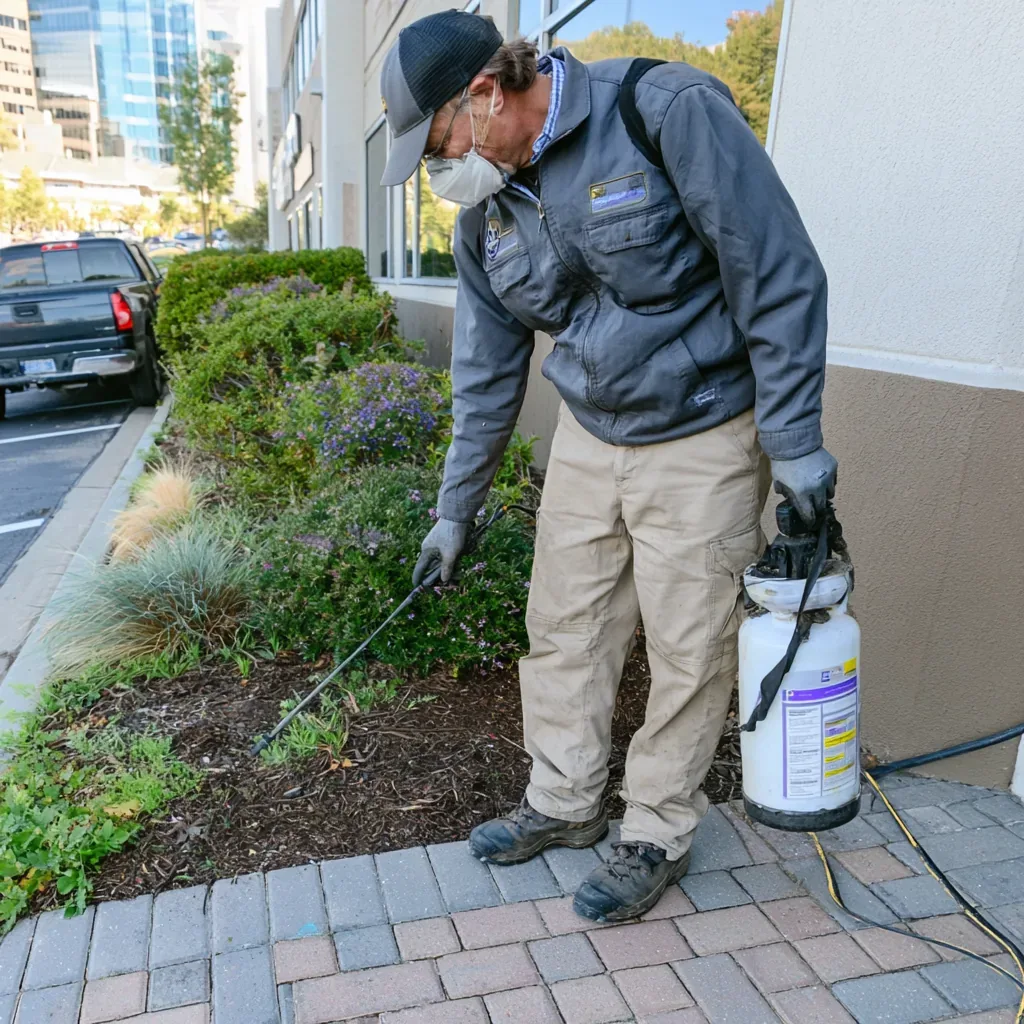
A coordinated scope can cover several Waterbury offices while keeping each address’s access and activity records distinct.
Offices can limit disruption by coordinating access and timing across locations, keeping activity reports by address, and agreeing on follow-up records. Share operating hours and restricted areas with the pros we connect you with before requesting an assessment.
The cost of office rodent control depends on the number of addresses, the activity reported, access needs, and scheduling limits. A single scope can help Waterbury offices plan work across several sites without assuming each building needs the same steps. The pros we connect you with can assess reported activity and discuss a plan around operating hours. Before requesting an assessment, note where signs appeared, who can provide access, and which rooms or hours have restrictions. Those details help shape a practical scope.
Mice in office buildings can affect different areas for different reasons. A report from a breakroom may call for attention to food storage, while signs near a utility area may point to an access concern. In Waterbury, record the location and date of each report, plus any droppings, gnaw marks, nesting material, or sounds noticed. These observations help the pros we connect you with assess where activity may be occurring. They do not, by themselves, establish the extent of the problem.
For offices with more than one address, set a shared goal and keep site conditions visible. One location may have reports near stored supplies; another may have no reported activity. A scope can account for those differences while keeping communication and records organized. If a building is near Waterbury Green or the Mattatuck Museum, its location can help staff identify the address, but it does not establish rodent activity. Describe each site on its own terms before coordinating service.
A useful starting record is brief and specific. Note where a staff member saw signs, when they were noticed, and whether activity has been reported again. Include relevant food, storage, or utility areas, if those areas exist at the site. This gives the pros we connect you with a clearer basis for discussing next steps. At a Waterbury office, a report tied to a particular room is more useful for planning access than a general note that rodents were seen somewhere in the building.
A shared service scope can keep several addresses under one point of coordination. It can list each location, its reported concerns, access contact, and operating limits. The work at each site can still reflect its own findings. For offices across Waterbury, this approach helps staff compare updates without treating all commercial office rodents as one building-wide issue. Ask how the pros we connect you with will describe site-specific recommendations and keep changes to the scope clear.
| Site Address | Access Window | Activity Notes |
|---|---|---|
| Site scope | List each Waterbury address and its operating use | Set shared goals while recording site differences |
| Activity notes | Record observed areas and timing by address | Use employee reports to direct attention |
| Food and storage | Flag relevant food handling or storage areas | Note site-specific access and operating limits |
| Utility access | Identify rooms needing staff or vendor entry | Arrange access with each site's contact |
| Work hours | Share quiet periods and visitor schedules | Coordinate visits around site operations |
| Staff updates | Seal gaps around pipes to limit pest entry. | Route reports to the right site contact |
| Service records | Keep visit notes organized by address | Track findings and agreed next steps |
| Scheduling and site access | Review activity notes across locations | Adjust the shared scope as needs change |
Food and storage areas deserve attention when they are part of an office’s operations. Sealed food containers and removal of accessible crumbs can reduce available food sources, while sanitation alone does not close openings rodents may use. A small office breakroom and a workplace that handles food have different routines, so describe what is stored and who manages cleanup. In Waterbury, include those details in the site notes, then ask how they fit the proposed control plan.
Utility areas can affect access and scheduling. Rooms with pipes, service panels, or stored materials may need a staff contact to open them, and access can vary by address. Rodents can use small building openings, so control planning may include attention to access points when the findings support it. For a Waterbury office, identify who can reach those rooms and whether work there must fit a set operating window. That information helps coordinate a visit with less interruption.
Offices do not all keep the same hours or have the same visitor flow. A quiet period at one address may be a busy period at another, especially when meeting rooms or reception areas are in use. Share those limits before work is scheduled. The pros we connect you with can explain which activities may need access and discuss timing with the site contact. This makes it easier to plan around Waterbury office routines while responding to the reported rodent activity.
Employees can help locate changing activity by reporting what they notice through a clear contact. Ask staff to include the room or floor, the time, and the kind of sign, rather than moving materials or handling evidence themselves. The designated contact can combine reports and pass them to the service provider. For multiple Waterbury addresses, one reporting route can reduce scattered messages while still keeping each site’s location and conditions distinct.
Communication should tell employees what areas may need access and whom to contact with new observations. Keep the notice brief and tied to the service schedule, so staff know what to expect without suggesting every office has the same concern. A site near Interstate 84 may have different arrival or access arrangements than another address, so confirm directions and entry details with the local contact. Clear instructions help employees and visitors move through normal operations with fewer surprises.
Records help show what has changed between visits. Keep reports by address, note recommendations and completed actions, and record whether activity was reported again. If a location has no new report, record that too rather than assuming the same result at every site. For Waterbury offices, a shared record with separate entries for each building can help managers see where follow-up may be needed and what access arrangements worked.
Follow-up checks can help assess whether rodent activity continues and whether control measures need adjustment. Timing and availability depend on the provider, so ask what the proposed plan includes and how updates will be documented. Keep the same reporting contact where possible, and add new observations to the record for the affected address. This gives the pros we connect you with a useful account of changes without presenting one site’s outcome as the result for all locations.
A multi-address plan works best when one person can coordinate contacts, hours, and records while each office retains a local access contact. That structure can reduce repeated scheduling messages and help staff share updates consistently. It also leaves room for site-specific recommendations when reported activity or building access differs. For Waterbury organizations with offices near Saint Mary's Hospital or Waterbury Hospital, use the address and access instructions to identify the correct site; proximity alone says nothing about rodent conditions.
Before requesting an assessment, gather the reported locations, access contacts, and operating limits for each office. Ask how food or storage areas will be handled where relevant, what records will be shared, and whether follow-up checks are part of the proposed scope. Those answers help compare plans across addresses without assuming identical treatment. Which sites need attention first? What schedule fits staff and visitors, and how will each location’s updates reach the person coordinating service?
For offices in Waterbury, a shared scope can make work across several addresses easier to coordinate. Cost depends on the number of sites, access needs, operating hours, and follow-up requested. One location may need attention near a food or storage area; another may have activity by utility spaces. The pros we connect you with can document each address separately while keeping the service plan consistent. Interstate 84 and Route 128 can help identify locations when arranging access. Keep employee reports tied to the building and area where signs appeared.
The county links help property owners check the reach of rodent inspection and control options from the pros we connect you with for residential and commercial sites, includingNaugatuck, Watertown and Plantsville. Check whether the visit charge covers inspection only, or also treatment and follow-up, then confirm any travel charge for the property.
For a warehouse, the quote may depend on its size and how often visits are planned. $80–$175 offers a guide figure. Stored food and waste can attract rodents and affect where inspection attention is needed.Commercial pricing changes with inspected area, access, device placement, exclusion work, and follow-up in the agreed scope. A small shop near Waterbury Hospital may need a different parts list than a house. When calling, tell the pros we connect you with about building use, affected areas, signs, and access limits.See pricing guide for full rodent control guide bands; commercial overview explains how a scheduled program works.
Waterbury Warehouses
Waterbury Apartment Rodent Control
Waterbury Restaurant Service
A shared scope can set out the same reporting, scheduling, and follow-up process for several Waterbury offices. Each address still needs its own activity notes, access arrangements, and site conditions. Share the locations, operating hours, and known problem areas when requesting an assessment. The pros we connect you with can explain whether one coordinated plan fits the sites.
Often, timing can be discussed before service is arranged. Share the office’s operating hours, visitor patterns, and areas that cannot be accessed during the workday. The pros we connect you with can explain available scheduling options and any access needed. Arrangements may differ by provider and site, especially when several addresses are involved.
Keep dated notes by address: where signs appeared, when staff noticed them, and whether activity continued after service. Record access limits, areas treated, and follow-up recommendations from the provider. A consistent log helps compare activity across Waterbury offices and gives the pros we connect you with useful context at later visits.
Give employees a clear way to report signs, such as a shared facilities contact or work order. Ask them to note the building, room or area, and when they noticed activity. At offices near Waterbury Green or the Mattatuck Museum, keep reports tied to the correct address. That helps the site contact coordinate access and relay useful details to the provider.
Note activity by address, access needs, and operating limits before requesting a Waterbury office assessment.
Call (203) 884-8369