Restaurant Rodent Control
Waterbury Restaurant Service
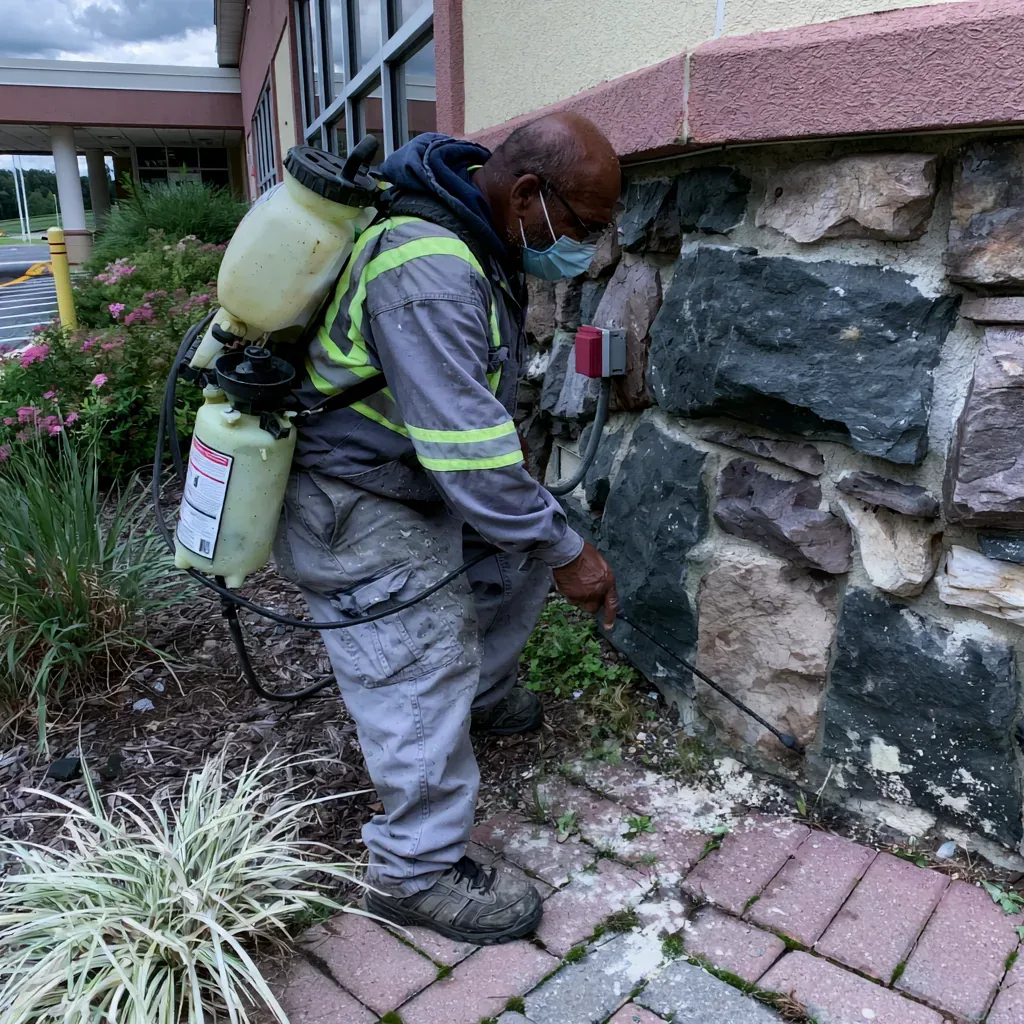
Near Mattatuck Museum, dated reports help Waterbury managers compare apartment concerns with activity in shared spaces.
Property managers can keep dated reports by apartment and shared area, coordinate resident access, and record service visits, repairs, and follow-up. An assessment can then account for the building’s access needs and operating schedule.
For apartment rodent control in Waterbury, dated records help managers see whether separate reports may share a building pattern. Start a log with the report date, unit or shared area, and concern described. Compare entries by location before arranging an assessment. Give the pros we connect you with the history and building access limits, so the review can account for occupied units, shared rooms, and daily operations. This record gives multifamily rodent control a clear starting point without assuming every apartment needs the same response.
A useful record separates resident reports from confirmed service findings. For each report, note the date received, location, description, and any access limits. In Waterbury, this can help distinguish repeated reports from separate sightings across apartments. Avoid treating a single report as proof of a building-wide problem. The pros we connect you with can use the log to understand where activity was reported and what needs attention during an assessment.
Give each apartment a consistent label in the log, then use separate labels for hallways, laundry rooms, storage spaces, and trash areas. Waterbury buildings can have different layouts and operating routines, so a clear location key prevents reports from being grouped incorrectly. Add a simple floor plan if available. Keep the record focused on observations and dates; it gives the property manager and service provider a shared reference without assuming every unit is affected.
Shared spaces need their own entries because activity there may affect several residents. Record the exact area, nearby doors or utility spaces, and whether the report came from a resident or staff member. In Waterbury, note whether access depends on a building schedule or staff escort. That information helps arrange an assessment with fewer disruptions. It also keeps a report from a common room from being assigned to an apartment without evidence.
For a recurring concern, compare dates and locations rather than relying on memory. A record may show reports clustering near one doorway, trash area, or service space. The pros we connect you with can explain what signs they observed and where control devices may be appropriate. A clear timeline can also help distinguish a lasting pattern from a brief change in activity. Record the agreed work and device checks so later reports can be read against what was done.
| Location | Report Details | Next Step |
|---|---|---|
| Report date | Date and time reported | Shows when activity was noticed |
| Unit or area | Unit number or shared space | Helps spot reports near each other |
| Observed sign | Droppings, gnaw marks, or sounds | Gives the assessor useful detail |
| Exact location | Room, hallway, storage, or bin area | Can help identify repeated routes |
| Access notes | Entry instructions and contact details | Supports planned access to units |
| Service visit | Visit date and work noted | Keeps service history in sequence |
| Repair status | Issue, assigned party, completion | Shows whether access issues remain |
| Report log | Next check and new observations | Tracks whether activity continues |
Waterbury property managers can use the same log to coordinate access across apartments. Note which areas require notice, a key, or an escort, and record when access was arranged. Keep resident messages factual: identify the area being addressed, the expected access window, and how to report new signs. Clear communication can reduce missed visits and repeated requests. It also helps staff know which reports are new and which are already being handled.
The record should capture actions as well as sightings. Add the assessment date, areas reviewed, findings shared by the provider, agreed control measures, and any follow-up plan. In Waterbury, property staff can then see whether an unresolved report needs another access arrangement or a repair referral. Do not record assumptions as findings. A concise note such as “activity reported near basement storage” is more useful than a broad label for the whole building.
Access planning matters when service may involve occupied apartments or common areas. Record which rooms need entry, the preferred contact method, and any operating-hour limits before scheduling. Ask the pros we connect you with how residents will be notified and how devices or products, if used, will be placed and checked. Managers coordinating properties in Waterbury and Naugatuck can keep each site's access notes separate, including for buildings near Naugatuck Green. Clear arrangements can reduce missed visits and help residents know what to expect when mice in apartment buildings are reported.
After service, enter what was completed and which areas could not be reached. This makes gaps in access visible instead of leaving them buried in a general work note. Waterbury managers can assign a staff contact for each building and keep repair requests alongside the service record. Small openings around doors, pipes, or foundations can allow rodents inside. Track any reported repair separately, with its location and status, so follow-up can address the remaining issue.
A record is more useful when each update has an owner. Assign someone to gather resident reports, confirm access, and note completed repairs. The pros we connect you with can describe what was checked and whether another visit is recommended; timing and availability vary by provider. Record that recommendation and its reason. This creates continuity if property staff change or a new report arrives after the prior service visit.
Buildings near Waterbury Hospital may have different staff schedules and access procedures from smaller properties. The log should reflect those building-specific details without assuming a particular service plan. For a site with several entrances or shared facilities, identify the location precisely and state who can provide access. This helps the assessment fit building operations. It also gives the provider context to discuss food handling, occupied areas, and any precautions relevant to proposed treatment.
For properties with more than one address, keep a separate record for each site and use the same fields across them. Waterbury managers can compare recurring reports without merging activity from different buildings. Include the site name, area, date, observations, service notes, and repair status. A consistent format makes patterns easier to review and prevents one property’s findings from being treated as evidence about another.
Connect each written recommendation to the work order or maintenance record that follows it. In Waterbury, note who was assigned a repair, whether it was completed, and when its status was reviewed. Do not mark a concern resolved only because work was scheduled. If reports return, compare their dates and locations with the maintenance history, then share that record with the pros we connect you with. Managers with buildings near the Naugatuck River can use consistent record fields while keeping each property's history distinct.
A dated log gives a property manager a practical next step when reports involve apartments and shared areas. Gather observations by unit and common space, coordinate access, and arrange an assessment that accounts for the building’s schedule. Keep service notes and repair updates together, then review them when new reports arrive. Waterbury properties vary, so the record should describe this building’s conditions rather than imply a common pattern across the city. Ask the provider what follow-up documentation is available.
Rodent inspection costs depend on the number of areas to assess, access arrangements, and the work agreed after review. For apartment rodent control, a dated property log helps connect reports from units with activity in halls, basements, or refuse areas. Record the location, date, reported signs, access attempts, repairs, and service notes. In Waterbury, a portfolio list can use familiar map references such as Waterbury Green or Saint Mary's Hospital to distinguish nearby addresses. Keep each building’s notes together so recurring reports and pending repairs are easier to follow.
The county links help property owners check the reach of rodent inspection and control options from the pros we connect you with for residential and commercial sites, includingWatertown, Plantsville and Waterbury. Check whether the visit charge covers inspection only, or also treatment and follow-up, then confirm any travel charge for the property.
Small shops are often quoted per visit, with the total shaped by building size and visit frequency. $80–$175 gives a guide figure. A cafe with storage rooms may need different checks than a compact office. Ask whether trapping or baiting, gap sealing, and follow-up checks are included.Commercial pricing changes with inspected area, access, device placement, exclusion work, and follow-up in the agreed scope. A small shop near Waterbury Hospital may need a different parts list than a house. When calling, tell the pros we connect you with about building use, affected areas, signs, and access limits.See pricing guide for full rodent control guide bands; commercial overview explains how a scheduled program works.
Waterbury Restaurant Service
Waterbury Warehouses
Commercial Rodent Control
Use one dated log for each building, with a separate entry for every report. Note the apartment or shared area, when the concern was reported, what was observed, and any access or repair issue. Add service visits and later updates to the same record. In Waterbury, consistent records help a manager compare reports across properties without assuming activity is connected.
Include the property address, unit or shared location, report date, and a short description of the concern. Add who received the report, access arrangements, work completed, and any repair still pending. A manager can use familiar landmarks such as the Mattatuck Museum when organizing nearby Waterbury addresses, while keeping the exact building location in the record.
Set a contact person for each building and agree on how residents will receive entry notices. Group appointments by access needs and operating hours, then record missed access and any rescheduled visit. For a Waterbury property near Saint Mary's Hospital, the address and building contact still guide coordination; the landmark does not establish rodent activity.
Compare dated notes by location over time. Repeated reports in one shared area, unresolved repair notes, or missed access can help a manager decide what needs attention next. Keep follow-up findings with the original report so the record shows what changed after service. Timing and documentation practices depend on the provider’s service plan.
For apartment rodent control in Waterbury, organize dated reports by unit and shared area, then request an assessment planned around access and building operations.
Call (203) 884-8369