Can Door Sweeps Limit Rodent Entry in Waterbury?
A fitted sweep can narrow the gap beneath an exterior door, but fit, floor clearance, and wear affect how well it works.
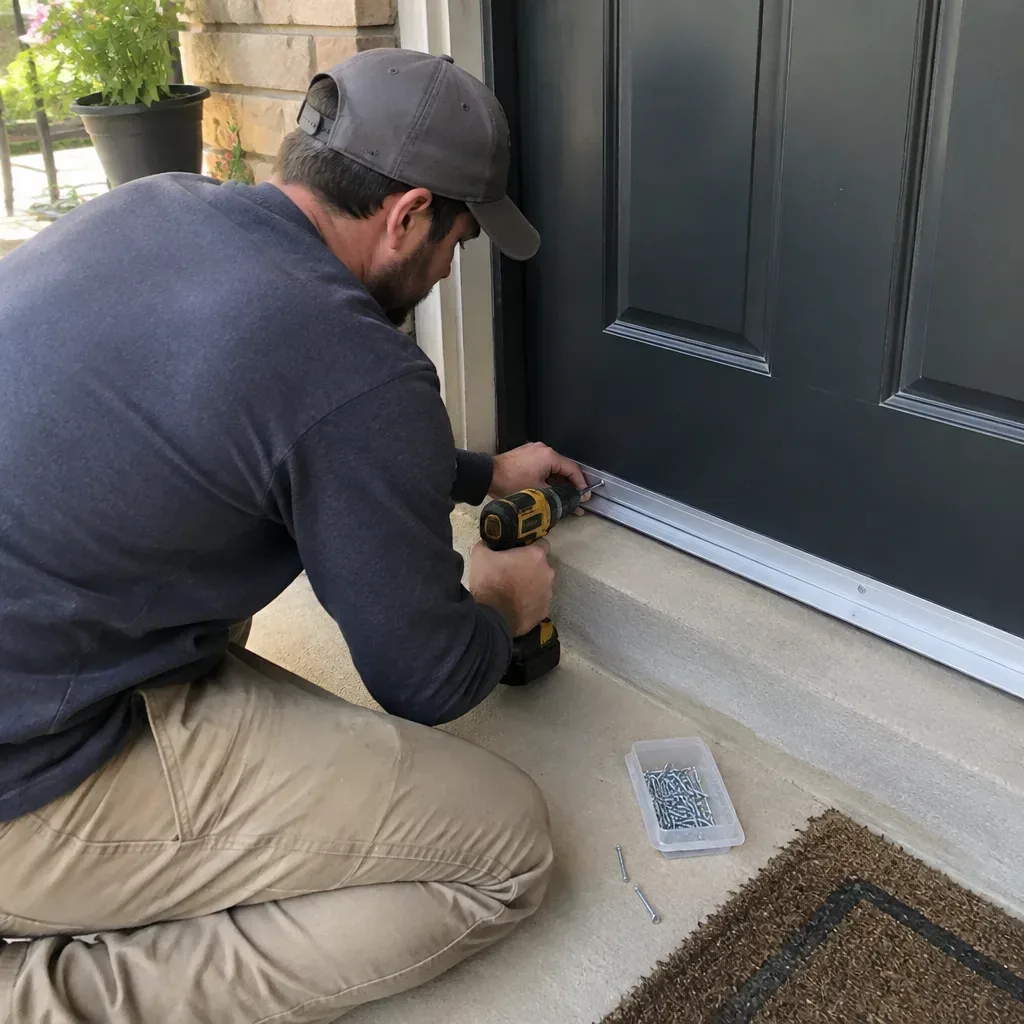
A rodent-resistant door sweep can help close the gap beneath an exterior door if it meets the threshold across the full width. Check the fit, clearance, and wear. Uneven floors or other openings can leave access routes, and signs of activity may warrant an inspection.
How A Door Sweep Closes The Gap
Cost depends on the door’s width, threshold shape, needed clearance, and installation work. In Waterbury, a rodent door sweep is a strip fitted along an exterior door’s bottom edge. When the door closes, the strip meets the threshold and narrows the opening beneath it. That can help block a route used by mice or rats. The fit matters more than the product name: a sweep that leaves open space underneath cannot close that route. The sections below explain what to measure, what wears, and when signs call for inspection.
Measure the gap across the full door width with the door closed. The space may vary from one end to the other, especially where a threshold is worn or the floor is uneven. Compare those measurements with the sweep’s stated fit range and installation requirements. A product that reaches the threshold at one end may still leave a passage at the other. For a home near Waterbury Green, the same check applies as elsewhere: look along the whole bottom edge, not just the center.
A sweep must close the gap without dragging so heavily that the door sticks or fails to latch. Check how far the door swings and whether the threshold rises or dips along its width. Some designs allow adjustment; others have a fixed profile. Follow the maker’s clearance instructions before fitting one. Near the Mattatuck Museum, a small shop entrance may see frequent door use, so smooth opening and firm contact at the threshold both matter. A tight fit that disrupts the door’s movement may not last.
Check Fit Across The Full Door
A mouse-proof door sweep is a product description, not proof that every gap will close. Check the product’s dimensions, mounting method, and stated material limits against the door and threshold. A brush, flexible fin, or other profile may respond differently to uneven contact and repeated movement. The material and installation affect how well the strip keeps contact along the edge. In Waterbury, a homeowner should inspect the installed sweep after use and look for spots where light or visible space remains underneath.
Repeated opening can loosen a fastener or wear the strip where it rubs the threshold. Dirt and damage can also interrupt contact. Watch for a bent edge, a section pulling away, or a new gap beneath the closed door. A sweep that is too tight can drag across the floor and make the door harder to open or close. Replace or adjust a sweep according to its product guidance if it no longer meets the threshold evenly.
A bottom sweep only addresses the opening beneath the door. It does not close a gap at the sides or top, and it cannot correct a threshold that leaves the strip suspended. If light or space remains elsewhere around the door, the sweep alone may leave another route open. In Waterbury, a homeowner can note where the visible gap occurs before deciding whether the bottom edge is the only concern. Other door openings need separate assessment, beyond what a sweep is designed to cover.
Watch For Wear And Rodent Signs
A sweep can reduce access beneath a door, but it does not show whether rodents are already inside. A visible line of light beneath a closed door can show where the seal is incomplete. In Waterbury, a homeowner who spots fresh signs near an exterior door can note their location and check whether the sweep still meets the threshold. A repeated sign, or evidence in more than one area, makes monitoring alone less useful and supports asking a rodent control provider to assess the situation.
One uncertain mark may need observation, while new droppings or continued sounds give a clearer reason to seek an inspection. Keep a simple note of where and when signs appear, and whether they return after the door gap is addressed. A sweep cannot confirm the source or travel route. At a Waterbury home, recurring evidence can warrant professional assessment even when the bottom edge appears closed. Follow-up checks, when offered, can help determine whether activity continues or control steps need adjustment.
Know What A Sweep Cannot Cover
The sweep’s condition answers a narrow question: does the strip still meet the threshold across the closed door? It cannot establish that a building is free of rodent activity. At a small business in Waterbury, staff can report new sounds or signs to the owner and note where they occur. If evidence persists despite a sound bottom fit, an inspection can look for signs and possible access points. Rodent control may include trapping or baiting, depending on findings and the provider’s approach.
Before contacting a provider, the owner can describe the door, where the gap appears, and any signs observed nearby. This helps distinguish a sweep-fit issue from evidence that merits a broader inspection. At a Waterbury property near Linden Park, as at any other property, an open bottom gap is a possible access route, not proof of rodents. The pros we connect you with can explain what an inspection finds and whether monitoring or other control steps make sense. No sweep promises permanent prevention.
Door Sweep Fit Checks
- Measure the closed-door gap from end to end; the opening may change across the threshold.
- Match the sweep’s fit and clearance guidance to the door, threshold, and floor.
- Check for loose, bent, or worn sections and note recurring rodent signs nearby.
- Check the gap along the full door width, including both corners, to see whether the sweep can meet the threshold without leaving an open section.
- Confirm the door still opens, closes, and latches with the sweep fitted; excess contact can cause dragging and faster wear along the lower edge.
- Look for a torn strip, loosened attachment, or uneven floor contact; recurring rodent signs may need inspection beyond the door bottom.
Rodent Control Basics
Can a door sweep keep mice from entering under my door?
It can help if the sweep’s profile reaches the threshold across the full width while allowing the door to open and latch. An uneven floor or threshold may leave a section uncovered. Check the product’s fit and clearance guidance, then inspect contact along the closed door. If part of the gap remains, that sweep may not suit the door. It also cannot address openings at the sides or top.
How do I know if my door sweep fits properly?
Consider an inspection when signs recur, appear fresh, or show up in more than one area. Droppings, gnaw marks, nesting material, and sounds can point to activity, but they do not confirm its source. Note where signs appear and whether they continue after the bottom gap is closed. A provider can assess the evidence and possible access points, then explain whether monitoring or control steps are appropriate.
When should I call about signs near the door?
With the door closed, check whether the strip meets the threshold along its full width. Look for a loose fastener, damaged or bent material, or a section that leaves visible space. Also confirm the door still opens and latches normally. Follow the product’s care and adjustment instructions. If the sweep fits but signs continue nearby, the door gap may not be the only concern.
Need Help Checking The Door Gap?
Ask the pros we connect you with to assess the full door width, threshold clearance, visible wear, and whether recurring signs need closer inspection.
Call (203) 884-8369