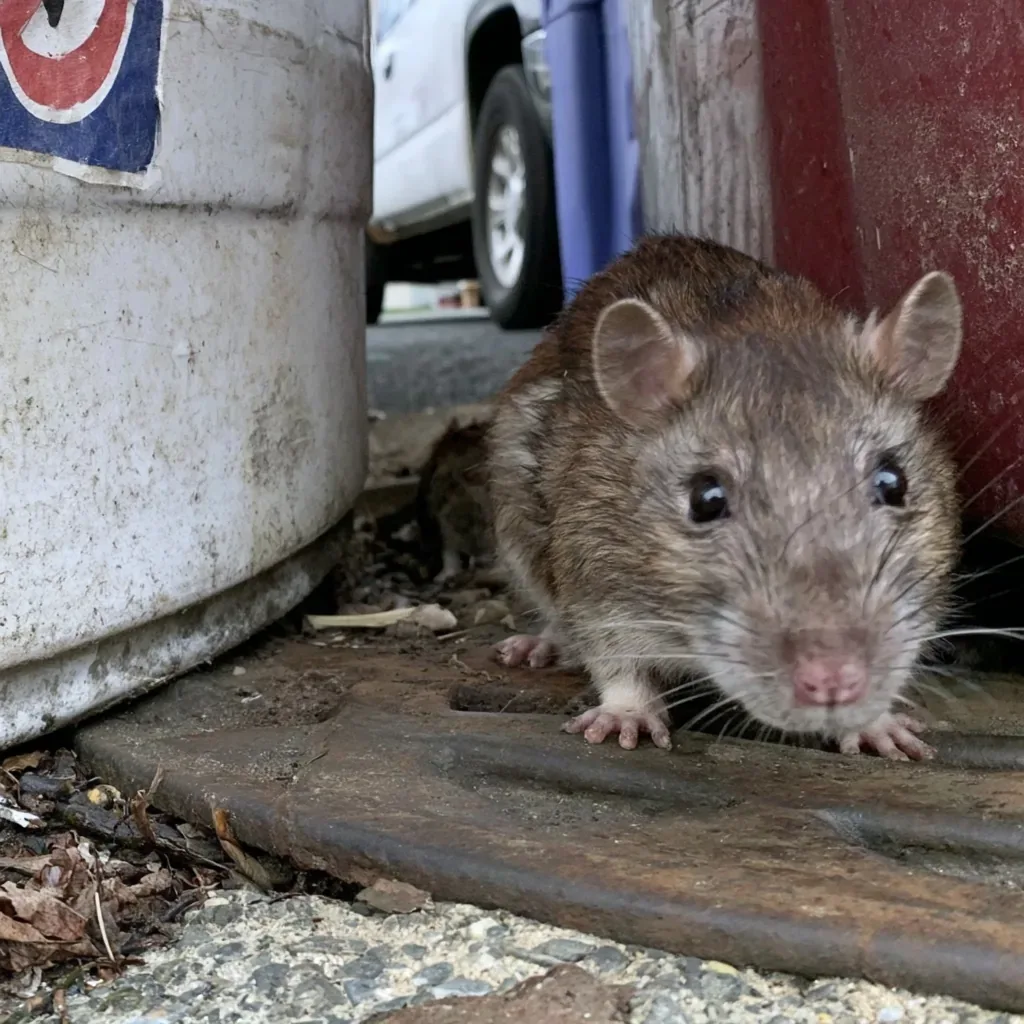
Unsealed Routes Leave Access Open
Waterbury's documented snow and ice hazards can obscure low openings around a building. An inspection should account for areas that become visible as conditions change, so the quote reflects the access points the provider can assess.
Waterbury includes homes and small commercial properties, so a burrow beside one foundation may call for a different scope than signs inside a shop. Near Interstate 84 or Waterbury Hospital, the property's own findings still guide the plan.
Homes and small commercial properties across Waterbury and Naugatuck Valley County may contact providers about rodent concerns. Service coverage can vary by address, so the pros we connect you with can check whether the property is included before discussing an inspection or possible control steps.
Rodent Control Planning
- QUOTE SCOPE
- An inspection connects indoor signs with nearby burrows and openings before control work is scoped.
- SITE SIGNS
- A Waterbury quote should spell out whether burrow areas and ground-level openings are assessed, what access work is included, and whether later activity checks are part of service.
- GROUND ACCESS
- Sealing assessed access points can limit entry, though untreated openings may leave routes available.
- CONTROL PLAN
- A quote can state whether follow-up checks are included and what findings could change the plan.
- FOLLOW-UP
- For a Waterbury property near Waterbury Green, a quote may reflect burrow review, ground-level entry checks, control work, and whether follow-up monitoring is included.
- ACTIVITY ROUTES
- Waterbury's snow and ice hazards can make low openings harder to see. As conditions change, an inspection may need to revisit exposed areas. Seasonal conditions alone do not establish rodent activity or determine which control steps fit.
- INSPECTION SCOPE
- an estimated $325–$575
Checking Gnaw Marks and Nesting
House mouse. Both may leave droppings, gnaw marks, or nesting material, so a single clue can be misleading. An inspection considers several signs and likely access points before control is planned. Signs from Norway rats and house mice can overlap. A provider can assess the size and location of droppings, gnaw marks, and access points together. Those clues help shape a control plan, though a single sign may not settle which rodent is present.
Signs That Help Locate Rodent Activity
The pro inspects lower walls, utility openings, burrows, and interior signs, then explains which routes appear active. That assessment shapes device placement and any sealing in the quote. Traps or bait stations address activity where placed; neither works well when poorly positioned or left unchecked.
After control devices are placed, the provider may check them and review fresh signs. Follow-up can show whether activity continues and whether the plan needs adjustment. Sealing assessed access points can reduce entry, while open gaps may leave routes available. Ask what monitoring the quoted work includes.
One appointment may be enough to inspect a contained issue and explain prevention steps. If openings remain or fresh signs appear, a return check can show whether measures need adjustment. Ask whether access gaps were sealed, what signs to watch for, and what would justify continued coverage.
ONE-TIME ATTENTION AND CONTINUED RODENT MONITORING
| Entry Points |
Worth Considering |
|---|
| Early signs of a minor rodent issue | Follow-up checks |
| Rodent signs returning after earlier control | entry-point sealing |
| Repeated activity signs near unsealed access gaps | Gaps sealed; devices monitored |
FOLLOW-UP CHECKSGet the planned work in writing before agreeing to the service. Ask the provider to list inspection, devices, sealing, and follow-up on the invoice. If bait is used, ask which product is planned and how its label precautions will be followed around children and pets.
Droppings, Gnaw Marks, and Surface Clues
Burrowing and indoor activity can damage stored goods, materials, or building edges through gnawing and nesting. Droppings and urine can also leave contaminated areas. Cleanup may require care to avoid stirring dust; damaged materials may need repair or replacement. Ask the provider what cleanup falls outside the control quote.
Seal Small Gaps Around The Home
A homeowner can note where signs appear and whether they recur, then share those observations with the provider. Keep children and pets away from any placed control devices. Do not handle bait or disturb droppings; ask the provider about safe cleanup and device precautions.
Keeping Bait Away From Children and Pets
Keep away from dusty waste until the provider explains the appropriate cleanup. Avoid stirring dust if contaminated material needs cleaning; ask the provider what cleanup is appropriate. Keep children and pets away from placed traps or bait stations as directed. If a device is damaged or bait is accessible, contact the provider for safe handling instructions.
Plan for Rodent Service Expenses
Inspection findings and the work a property needs shape the cost. Ask the pros we connect you with for an estimate based on those conditions.The guide range for rodent work covers the stated inspection and control scope; it excludes repairs or added visits not agreed. A house near the Waterbury Green may need different work from a small business near the Mattatuck Museum, based on inspection findings. The pros we connect you with confirm any visit charge and exact scope directly.pricing guide explains where to find the full price bands. Rat Control describes this rodent-control work.